







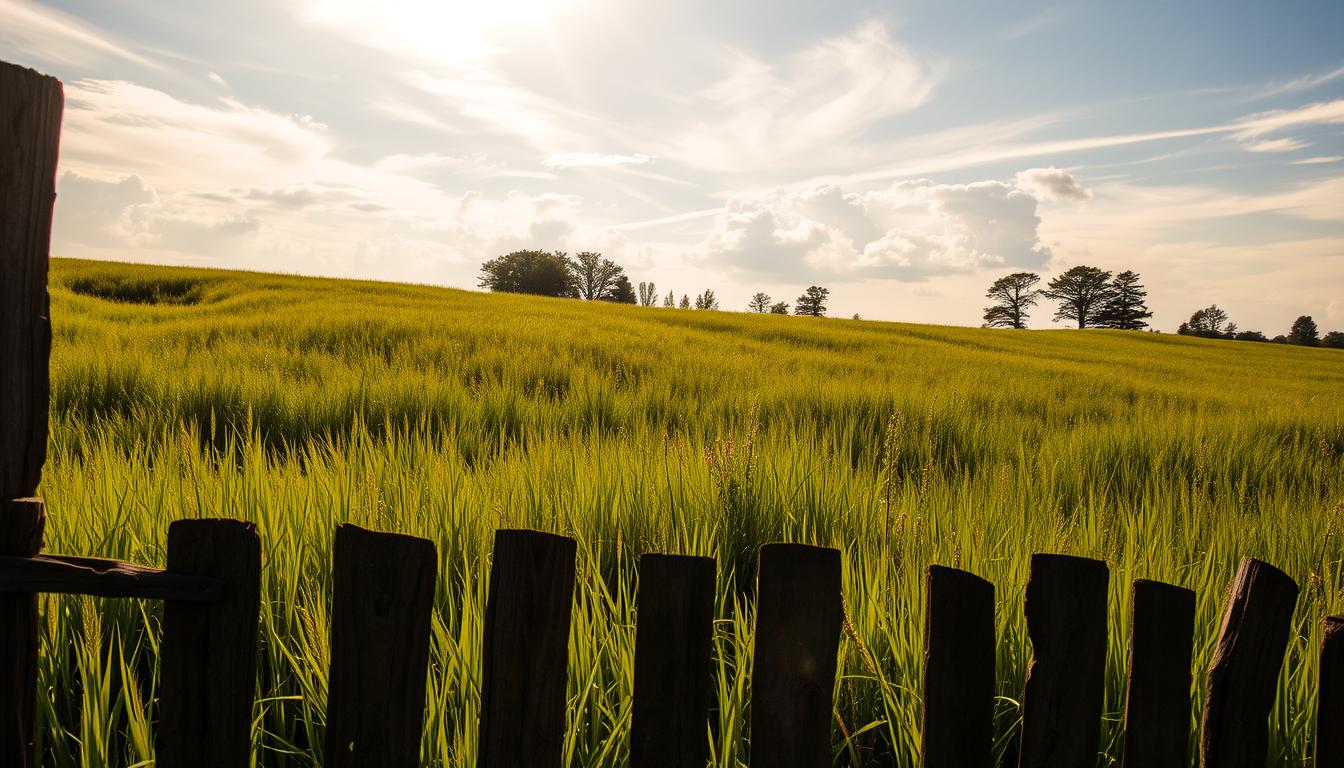
March brings blustery winds that make trees sway and hair fly. The air is full of people’s emotions and thoughts, like waves of moods.
This natural phenomenon has been with us for centuries. It carries messages on the wind. It’s as if the breeze whispers stories, emotions, and thoughts, connecting us in mysterious ways.
The wind’s power is in evoking feelings and emotions. It makes us more aware of our surroundings and the world around us.
1. The Fascinating History of Whistling Wind
The sound of whistling wind has been a big part of our lives for centuries. It has been seen as both amazing and sacred, showing us different sides of life and nature.
In many indigenous cultures, the wind is seen as a messenger between the physical and spiritual worlds. For example, the Yaqui people of Sonora, Mexico, think the wind brings messages from the spirit world. This shows how important wind is in their daily lives and spiritual practices.

The symbolism of wind changes a lot from one culture to another. In some places, a soft breeze means peace and calm. In others, a strong wind is a sign of change or warning. This shows how complex and varied the meanings of whistling wind are.
“The wind whispers secrets to those who listen.” This old saying captures the mystery of the wind and its power to share hidden truths and messages.
The history of whistling wind is as rich and varied as the cultures that have seen its importance. From ancient times when people worshipped wind gods to today, when we use wind for energy, our views on whistling wind have changed a lot. Learning about this history helps us understand how different societies have seen, feared, or used the wind.
Looking into the history of whistling wind, we see its deep impact on human culture. The wind can make us feel, inspire art, and shape our beliefs. This shows how deeply the wind is rooted in our shared experiences and thoughts.
2. The Science Behind the Whistle of Wind
The sound of wind whistling has always amazed people. It’s based on simple physics. When wind hits things like trees and buildings, it vibrates and makes sound.
The physics of wind shows that air moving can make different sounds. The whistling sound happens when wind goes through narrow spots or around objects, causing turbulence.

Air currents are key to making the whistling sound. Wind creates areas of low and high pressure around objects. The way these pressure areas and wind speed mix up determines the sound’s pitch and loudness.
The whispers in the wind are echoes of nature’s secrets. Learning about these sounds helps us appreciate the world more.
“The wind plucked up and whispered life back into the night, and everything was alright.”
3. Whistling Wind in Nature: A Symphony of Sounds
In nature’s quiet, the whistling wind creates a symphony of sounds that amaze and uplift. The breeze through trees makes a heavenly tune that calms and energizes.
The whistling wind in nature has always intrigued humans. It’s a sound found everywhere, from mountains to coastlines, each with its own sound.
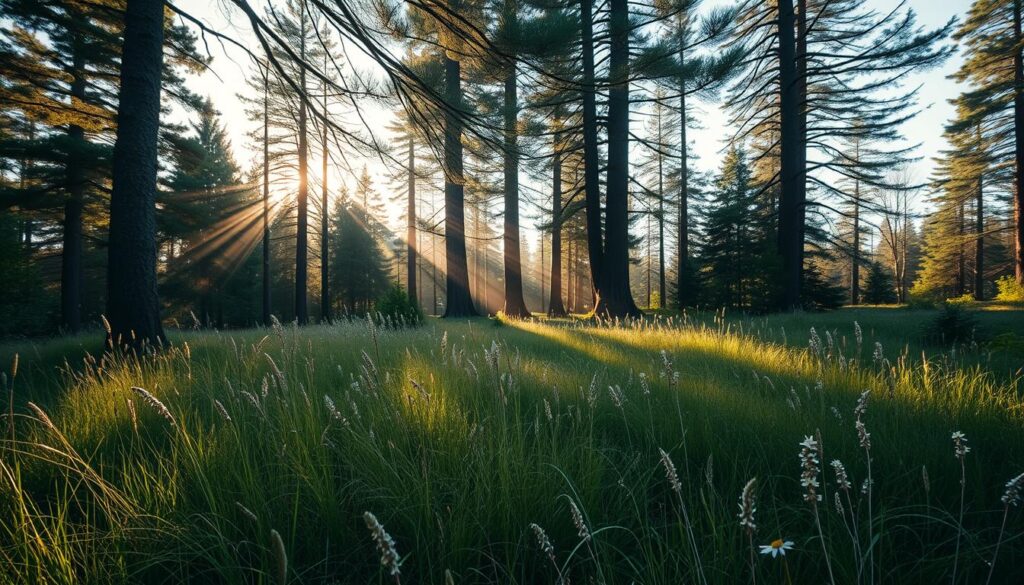
The wind’s whispers in grasslands or howls in mountains make a changing soundscape. This symphony of sounds is more than background noise. It’s a key part of nature, stirring feelings and sparking creativity.
The whistling wind shows nature’s strength and calm. It can be a soft lullaby or a loud roar, depending on the setting. This makes the whistling wind a language everyone can understand and love.
So, the whistling wind in nature reminds us of our world’s beauty and complexity. It invites us to stop, listen, and enjoy nature’s simple yet deep pleasures.
4. Whistling Wind as a Cultural Symbol
In many cultures, the whistling wind is seen as a symbol with different meanings. It can be an omen or a divine message. In old stories, whispers in the wind were thought to be from spirits or otherworldly beings trying to talk to us.
The wind’s role in myths and stories shows its importance. In some places, the wind is seen as a god or spirit that affects our lives. The sound of whistling is often linked to messages from these beings.

How people see the whistling wind changes from one culture to another. For example, near the coast, it might warn of an approaching storm. But in dry lands, it could mean rain is coming.
The cultural symbol of the whistling wind also appears in art, books, and music. It stands for change, freedom, or the power of nature. The wind symbolism is used in creative works to stir feelings or share deep ideas.
In summary, the whistling wind is very important in many cultures. Its meaning changes a lot, showing how different cultures see and understand nature. Learning about these symbols helps us understand the beliefs and values of various communities.
5. The Art of Whistling: Techniques and Styles
The art of whistling has been around for centuries. It has many techniques and styles over time. Unlike the natural whistling wind, human whistling is an art that needs skill and practice.
There are several techniques to whistle, like how you shape your lips and tongue. Some people can whistle easily, while others need to practice a lot.
Whistling styles vary a lot, from simple tunes to complex rhythms. Some whistle to express themselves, while others use it to communicate or signal.
The art of whistling is interesting when you think about the whistling wind. Both involve making sound with air. But, while the wind whistles naturally, humans can learn and improve their whistling skills.
6. Whistling Wind in Literature and Poetry
The whistling wind has captured the hearts of many poets and writers. It inspires them, symbolizing different themes and emotions in their works.
The wind is seen as a metaphor for truth’s elusive nature. It symbolizes the allure of the unknown, urging readers to explore and learn. In poems, the wind is often given human qualities, stirring feelings of nostalgia and longing.
In literature, the wind can mean change, freedom, or even danger. For instance, in Romantic poetry, it’s linked to nature’s grandeur and power. Poets like William Wordsworth and John Keats saw the wind as a symbol of the sublime and human emotions.
In modern literature, the whistling wind remains a powerful symbol. It expresses a wide range of feelings and themes, from sadness to freedom. Its ability to evoke different emotions makes it a lasting theme in literature and poetry.
As “the wind that carried messages” implies, it’s a messenger of secrets and stories. Only the most attentive listeners can hear these whispers. This idea connects the natural world with human experiences, creating a rich, layered meaning.
The whistling wind in literature and poetry shows both the natural and inner worlds. It highlights nature’s influence on creativity and inspiration.
7. The Therapeutic Benefits of Whistling Wind
Listening to the whistling wind can calm your mind and soothe your soul. The natural sounds of wind rustling through trees or valleys deeply impact our mental and emotional health.
The therapeutic benefits of whistling wind are many. It can lower stress and anxiety by creating a calming atmosphere. The sound of the wind can be meditative, helping us focus on the present and release worries.
Whistling wind also connects us to nature. Being outside and listening to the wind boosts our appreciation for nature. It encourages a more mindful life.
The whistling wind as a therapeutic tool is backed by science. Sound therapy, which includes natural sounds like wind, helps in healing and relaxation.
To enjoy the calming effects of whistling wind, try deep breathing or guided meditation. These can be great in today’s busy world, where stress and anxiety are common.
In conclusion, the whistling wind offers many therapeutic benefits. By embracing nature and its sounds, we can find peace and tranquility in simple things.
8. Whistling Wind in Modern Technology
Technology and wind energy are changing how we make power. Now, we have wind turbines that turn wind into electricity. This is thanks to modern tech.
Wind energy is key as we move to cleaner energy sources. Harnessing wind energy cuts down on fossil fuel use and emissions. This makes our air cleaner.
New tech has made wind turbines better. They grab wind energy, even when it’s not strong. This is a big step forward.
As tech keeps getting better, we’ll see even more ways to use wind energy. This will help us meet our energy needs in a green way.
9. Embracing Whistling Wind in Everyday Life
As we go about our daily routines, it’s easy to overlook the whistling wind that surrounds us. Yet, by cultivating an appreciation for this natural phenomenon, we can foster a deeper awareness of the world around us.
By embracing the whistling wind in our everyday life, we can find solace in its soothing sounds and inspiration in its gentle caress. May the winds of life blow favorably for you, bringing with them the love and forgiveness you need, as close as your heart and mind.
As we conclude our exploration of the whistling wind, we are reminded to stay mindful of the simple joys that bring us peace and tranquility. By doing so, we can live more harmoniously with nature and find beauty in its subtle expressions.