






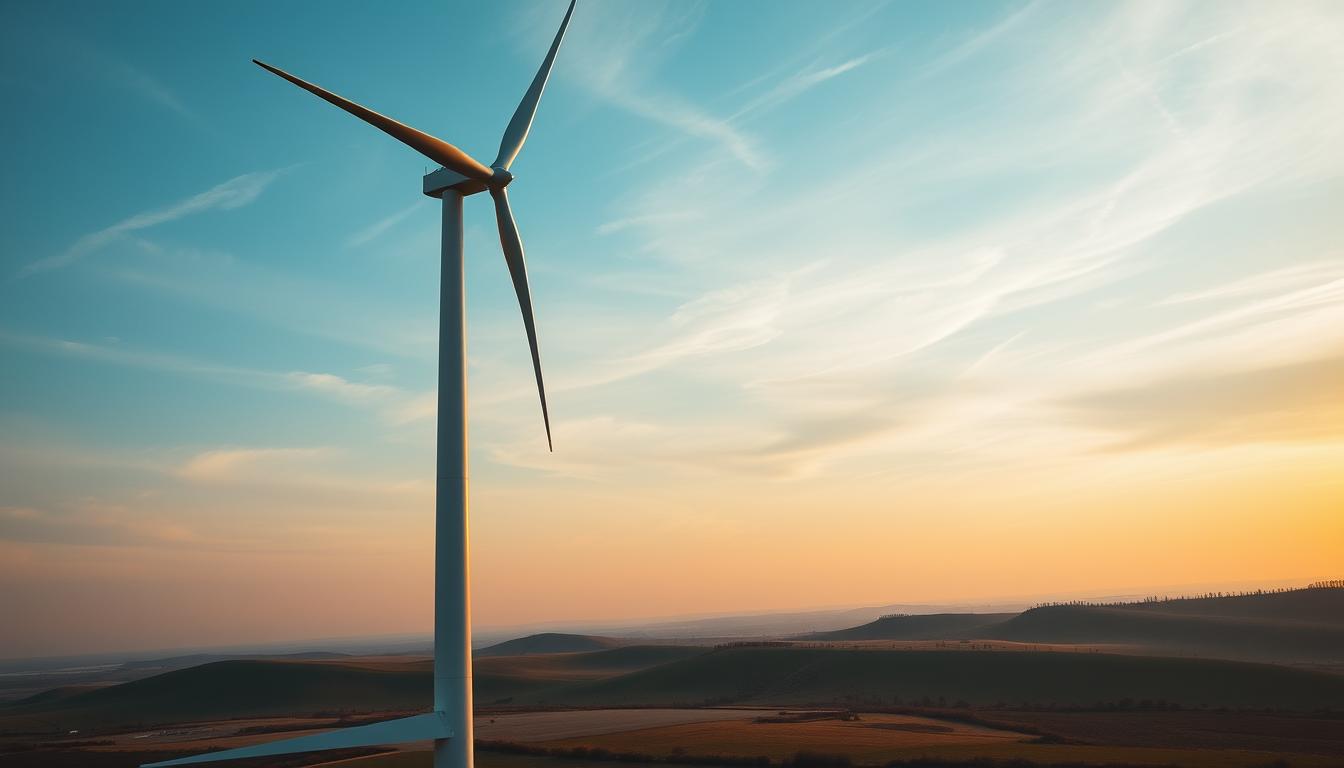
Windmills are a key symbol of renewable energy in America. They show a mix of old and new ways to get power.
As we move towards sustainable energy sources, knowing how a windmill works is important. A windmill turns wind energy into electricity. It does this with its blades and turbine.
This article will look into how windmills work. We’ll see their role in renewable energy and their place in today’s energy world.
Learning about a wind turbine helps us understand its part in a greener future.
What is a Windmill?
A windmill is a device that turns wind into mechanical or electrical energy. It uses rotating blades for this conversion. This is key to understanding how windmills help with renewable energy.
A typical windmill has a tower, blades, and a nacelle. The nacelle holds the electrical and mechanical parts. When wind turns the blades, it makes the shaft rotate. This rotation powers a generator, creating electricity.
Windmills have been around for centuries. They were first used for grinding grain and pumping water. Now, they mainly make electricity. Wind turbines, as they are called, are vital in wind farms. These farms have many turbines working together to make more electricity.
“Wind power is a vital component of the world’s transition to a more sustainable and environmentally friendly energy mix.”
In short, a windmill or wind turbine captures wind energy. It then turns it into energy we can use. This helps a lot with our renewable energy needs.
The Science Behind Wind Energy
Turning wind into energy is a complex and efficient process. Wind turbines are key, converting wind’s kinetic energy into electricity. This happens through a mix of mechanical and electrical parts.
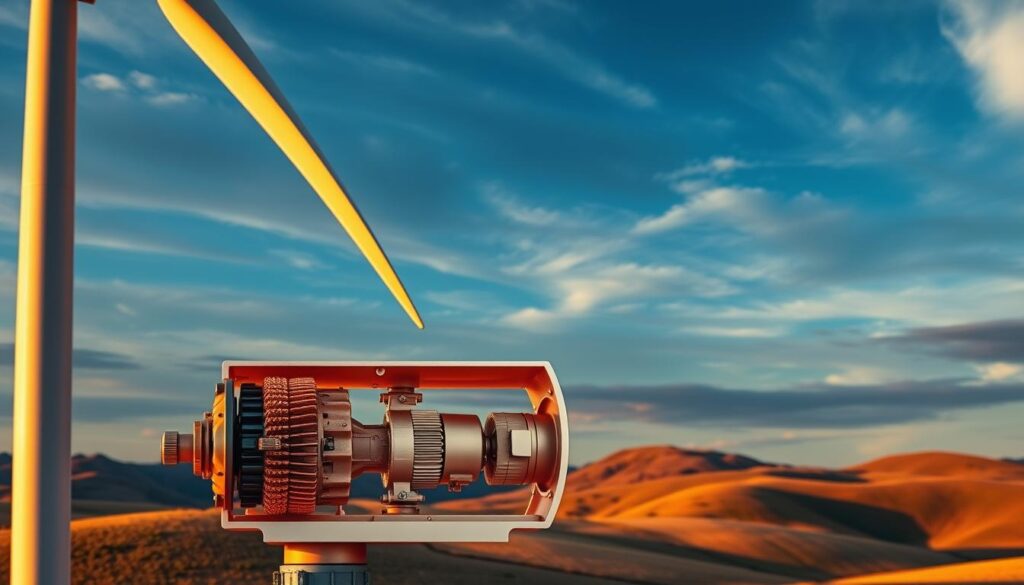
Wind turbines capture wind’s kinetic energy. When wind turns the blades, it powers an electrical generator. The efficiency depends on wind speed, turbine design, and the generator’s power.
Conversion of Wind Energy into Electricity
Converting wind energy to electricity involves several steps. First, wind turns the turbine blades, linked to a rotor. The rotor’s spin drives a shaft to a generator, turning mechanical energy into electricity.
This electricity goes to the power grid and is shared with homes and businesses. Renewable energy like wind is vital as we move away from fossil fuels. Wind energy is clean and sustainable, helping fight climate change.
The science behind energy conversion in wind turbines shows our creativity and resourcefulness. As technology improves, wind energy’s role in our energy mix will grow.
Different Types of Windmills
Wind energy shows its versatility through various types of windmills. Each type has its own features and uses. Wind turbines fall into two main categories: horizontal axis and vertical axis wind turbines.
Horizontal Axis Wind Turbines (HAWT) are the most common. They have big blades that spin around a horizontal axis. These turbines are tall, with towers that lift the blades high to catch stronger winds. HAWTs are very efficient and are used in big wind farms.
Vertical Axis Wind Turbines (VAWT) have blades that spin around a vertical axis. They can catch wind from any direction without changing their position. VAWTs work well in cities or places with changing winds.
There are many sub-types and new designs within these categories. For example, Darrieus wind turbines look like eggbeaters and work fast. The Savonius wind turbine is good for low winds and is used in small projects.
Choosing the right windmill depends on several things. These include wind speed, space, and what you plan to use the electricity for. Knowing the differences helps pick the best turbine for a project. This ensures the most energy is made.
Key Components of a Windmill
Knowing the parts of a windmill helps us see how it turns wind into electricity. A windmill has several key parts. They work together to catch wind energy and make power.
The blades are the most noticeable parts. They look like big wings and catch the wind’s energy. When wind hits the blades, it makes them turn. This turning is the start of turning wind energy into mechanical energy.
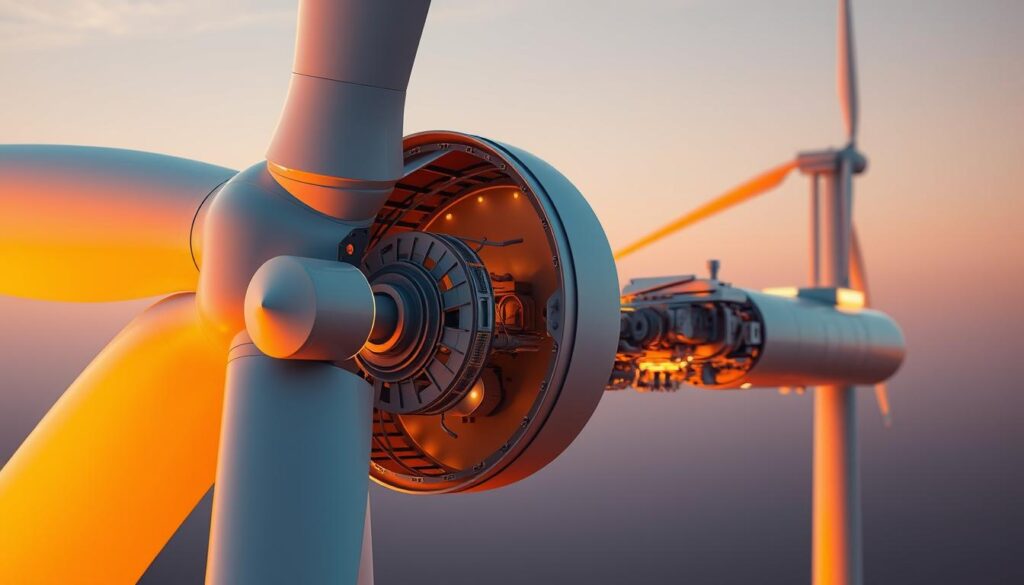
The rotor is another important part that holds the blades. When the blades turn, they make the rotor spin. The rotor is connected to a shaft. The shaft is a long rod that spins as the rotor turns. It sends the mechanical energy from the blades to the rest of the windmill.
Gearbox and Generator
The gearbox is key because it makes the mechanical energy faster. This is needed because the generator works best at high speeds. The gearbox changes the speed to make more energy.
The generator is where the mechanical energy turns into electricity. As the shaft spins, it makes the generator produce electricity. This is how wind energy becomes something we can use.
“The development of more efficient windmill components, such as advanced blades and gearboxes, is key for wind energy’s future.” –
In short, the parts of a windmill work together to turn wind into electricity. By knowing these parts and how they work, we can see how important windmills are for our energy needs.
Benefits of Using Windmills
Windmills are more than just power generators; they symbolize a cleaner future. They help us use less fossil fuels, which cuts down on pollution from traditional energy sources.
The benefits of windmills are many. They offer a renewable energy source that’s good for the planet. Unlike fossil fuels, wind energy doesn’t release harmful gases, helping us fight climate change.
Windmills also bring economic gains. They create jobs in making, setting up, and fixing them, boosting local economies. Plus, they can lower electricity bills and offer steady power.
Also, windmills help communities become energy independent. They make power locally, reducing reliance on outside energy sources. This improves energy security and stability.
In summary, the environmental benefits of windmills, along with their role in renewable energy, make them key to a greener energy future.
Windmill Locations and Installations
Wind farms are set up in different places, from land to sea. The choice depends on wind speed, environmental effects, and cost.
Onshore wind farms are the most common. They are cheaper to build and keep up than those at sea. You can find them in rural or mountain areas where winds are strong. But, locals might object because of noise and looks.
Offshore wind farms are becoming more popular. They are in the ocean and can make more electricity. They can use bigger turbines, too, which helps them make even more power.
But, offshore farms have their own problems. They cost more to set up and fix, and they can harm sea life. Yet, their ability to make lots of electricity makes them a good choice for green energy goals.
In short, both land and sea wind farms are key in the shift to green energy. As tech gets better, we’ll see more effective and kinder wind farms.
Maintenance of Windmills
Keeping windmills in good shape is key to their energy output. Regular upkeep is needed for them to work well.
Routine maintenance is essential. It includes oiling parts, checking blades and towers, and swapping out old parts. These steps help avoid breakdowns and keep windmills running smoothly.
Even with regular care, windmill parts can get damaged. This might happen due to wear, harsh weather, or other reasons. Fixing or replacing broken parts is vital for the windmill’s performance.
Fixing or swapping out parts involves finding the problem, getting the right parts, and doing the work. Skilled technicians handle these tasks with care and precision.
By doing routine checks and fixing or replacing parts when needed, windmill operators can keep their turbines efficient. This boosts energy production and cuts down on costs in the long run.
Windmill Technology Innovations
Innovations in windmill design and operation are leading to a greener future. The wind energy field is seeing big tech leaps, like better blade design and smart wind turbines. These changes are key to making wind energy more efficient and affordable.
New blade design advancements mean more energy capture. Longer, better-designed blades grab more wind, leading to more power. Also, using new materials makes blades lighter, which helps turbines last longer.
Smart wind turbines are another big step forward. They come with smart sensors and AI. This lets them adjust to wind changes to make more energy. They also do predictive maintenance, cutting downtime and boosting efficiency.
Adding data analytics and IoT technology to wind farms makes them work better. By looking at data from all turbines, operators can find ways to improve the whole farm’s performance.
As we need more clean energy, the role of windmill technology innovations is vital. Keeping up with these advancements is essential for a sustainable energy future.
The Future of Wind Energy
Wind energy is becoming more important as we try to cut down on carbon emissions. It’s set to be a big part of our shift to cleaner energy. New trends and tech are making wind energy’s future look bright.
The wind energy field is growing fast. Experts say we’ll see a big jump in its use over the next ten years. Advancements in turbine technology and improvements in installation techniques will make it cheaper and more efficient.
Offshore wind farms are a big trend in wind energy’s future. They can produce more energy and are less visible than onshore farms. Also, floating wind turbines are being developed for deeper waters, opening up new areas for energy production.
As we move towards using more renewable energy, wind energy’s role will grow. Governments and companies are putting a lot of money into wind energy. This is to help cut down carbon emissions and meet green goals. The future of wind energy is about more than just tech; it’s about making our energy cleaner and greener.
Windmills in Popular Culture
Windmills have made a big impact in popular culture, from old books to new movies. They are more than just pretty sights; they stand for new ideas, old traditions, and our bond with nature.
In old stories, windmills show up in countryside scenes, meaning a simpler life. For example, in Don Quixote, the famous windmills are a sign of the hero’s wrong turns and the mix-up between real life and dreams.
Today, windmills are seen in a new light. They’re linked to green energy and caring for our planet. Movies and TV shows often show windmills as signs of eco-friendly living and future worlds.
Windmills’ role in culture shows their lasting charm. They are seen as both old-time landmarks and signs of new progress, drawing fans from all over.
Getting Involved with Wind Energy
The world is moving towards cleaner energy, and we can all help. By investing in wind farms or supporting green projects, we can make a difference. This helps us build a better future.
Supporting Wind Energy Initiatives
There are many ways to support wind energy. You can invest in community solar projects or buy renewable energy credits. Companies can also work with wind energy developers to use clean power.
Supporting laws that help wind energy grow is also important. These actions help us use less fossil fuel and fight climate change. As we need more clean energy, there will be more chances to help.
Supporting wind energy is a great way to help our planet. Together, we can make our environment cleaner and healthier for the future.