





Discovering the past through tangible objects is a unique experience. Historical artifacts play a significant role in this journey.
An artifact collection is used in educational settings. It teaches students about history and culture. It provides a hands-on approach to learning.
By examining these objects, we can gain a deeper understanding. We appreciate the events and practices that shaped our world.
This introductory section will explore the concept of an artifact box. It will show its importance in understanding our cultural heritage.
The Fascinating World of Artifact Boxes
Artifact boxes give us a peek into the past, making history feel real. They are more than just boxes. They open doors to understanding historical items and cultural ways.
The Shiloh Museum of Ozark History is a great example. They have Discovery Boxes and Artifact Boxes for schools. Teachers get educational resources to help their students learn.
Teachers use artifact boxes to make learning fun and interactive. These boxes have historical artifacts that spark curiosity. They help students dive into different times and cultures.
Artifact boxes make learning about history exciting. They connect students to the past in a fun and meaningful way.
A Journey Through Time: The History of Artifact Boxes
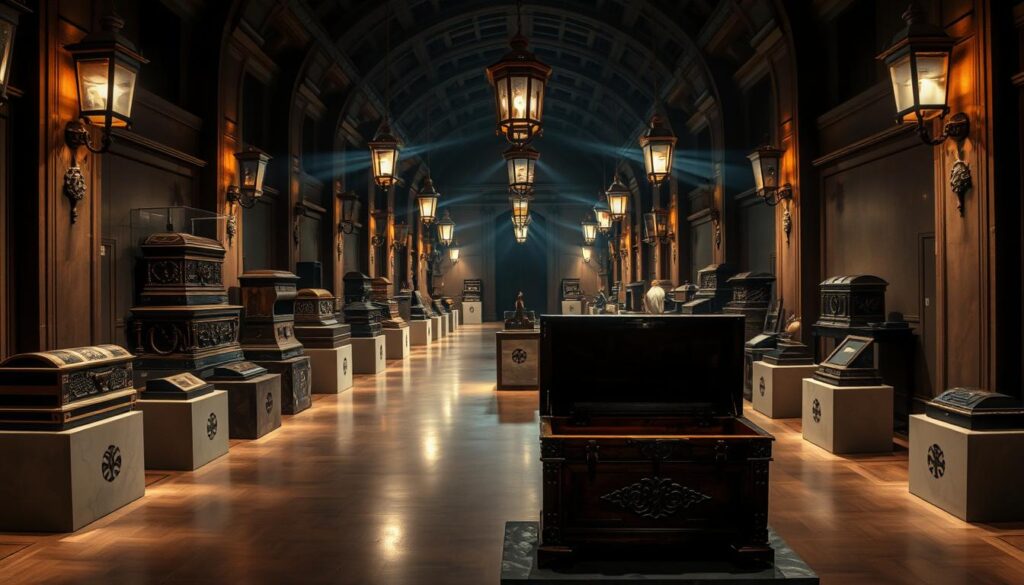
Artifact boxes have been key in historical preservation for a long time. Museums and schools use them to keep and show cultural heritage for all to see.
The idea of artifact boxes started when people first began collecting and saving historical items. As
“The best way to get to know a place is to look at what’s inside its boxes,”
a curator once said. This shows how important these containers are in learning about our history.
Over time, artifact boxes have changed to keep up with new ways of preserving things. Now, they help historians, researchers, and teachers connect with our shared past.
The history of artifact boxes shows how clever humans have been in saving cultural treasures. By looking at what’s in these boxes, we learn about history, culture, and our ancestors’ lives.
Types of Artifact Boxes You Might Encounter
Exploring artifact boxes opens a window to the past. You’ll find many types, each showing a different view of history. They range from boxes about specific times to those about various cultures.
The Shiloh Museum of Ozark History has many artifact boxes. They cover different historical periods and cultures. These educational resources are great for learning in schools and museums.
Artifact boxes can hold replicas, items from certain times, or a mix of cultures. This variety helps teachers and curators find the right box for their lessons. It makes them useful educational tools.
Using artifact boxes in class makes learning fun and meaningful. It helps students appreciate cultural artifacts and the importance of preserving history. By touching objects from the past, students gain a deeper understanding of history and culture.
In summary, artifact boxes come in many forms, each telling a unique story. They are valuable in classrooms, museums, and personal collections. These boxes connect us to our ancestors, giving us insights into their lives and traditions.
What’s Inside? Common Contents of an Artifact Box
Artifact boxes give us a peek into the past. They hold historical artifacts that show us what life was like long ago. These boxes are filled with objects that tell stories of different times.
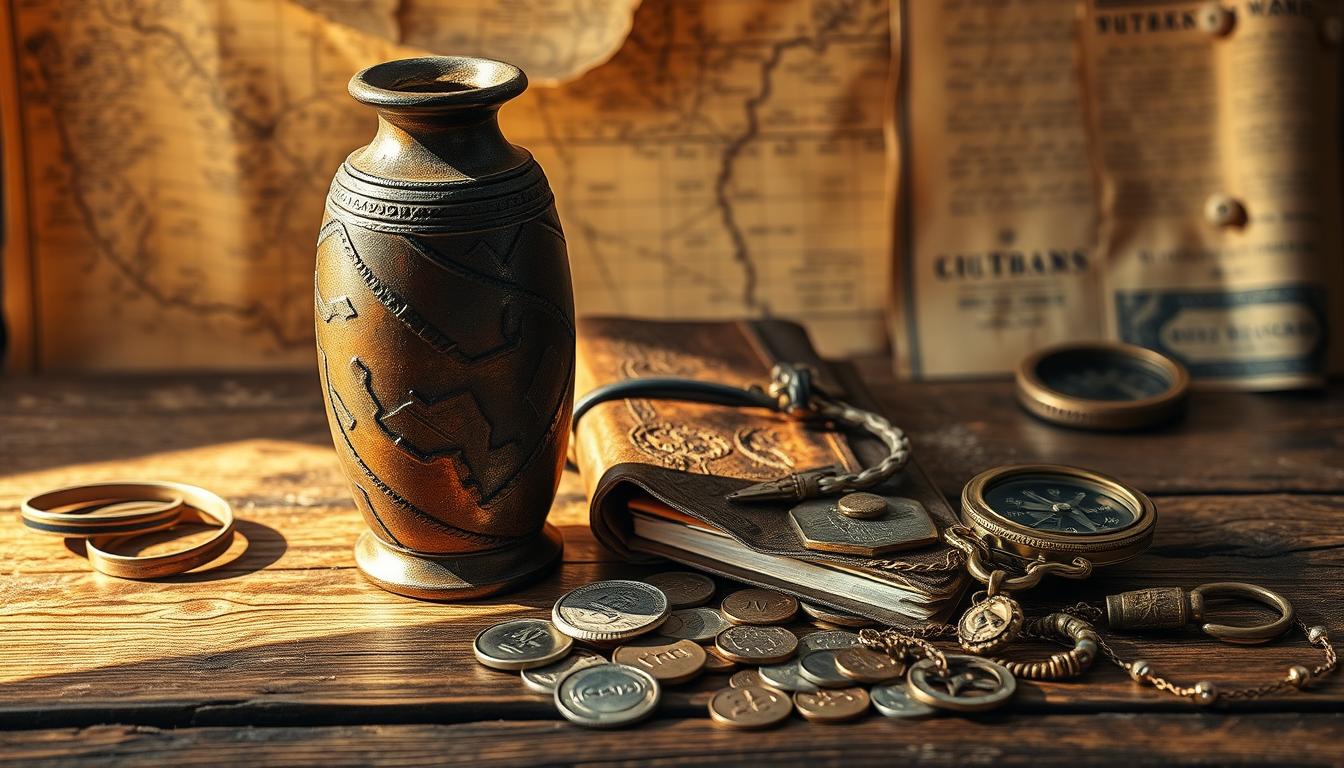
Inside, you might find photographs, documents, and other keepsakes. These items connect us to our ancestors. For example, a letter from a key historical event can share a personal view of that time.
Artifact boxes can have everything from clothes and jewelry to historical tools. Each piece has cultural significance. It helps us understand history and social norms better.
Researchers and historians learn a lot from these boxes. They provide direct evidence of past events and cultural practices. Studying these artifacts deepens our history knowledge and shows why they’re important to keep for the future.
In short, artifact boxes are key to understanding historical artifacts and their impact on our past. By studying and keeping these items, we can continue to learn from history and value their cultural significance.
The Stories Behind Artifact Box Treasures
The treasures in artifact boxes are more than just old things. They help us understand our cultural heritage. Each item, like a letter or a piece of clothing, shares a story about its owner and their time.
A vintage photo can show us what life was like back then. A diary can tell us about personal experiences and big events. Historian David McCullough once said,
“History is who we are and why we are the way we are.”
These items connect us to our past. They make history feel closer and more personal.
The importance of these items is huge. They let us peek into our ancestors’ lives. By looking at these objects, we learn more about cultural heritage and how society has changed.
In short, the stories in artifact boxes are as varied as the items themselves. Together, they help us understand history better and how it shapes our culture today.
Creating Your Own Artifact Box
Starting to make an artifact box means picking items that match a certain time or culture. This keeps history alive and teaches the next generation about cultural artifacts.
First, collect items like old coins, letters, or traditional clothes. Each piece should have a story and be meaningful. Think about their condition, how they fit, and what they tell us.
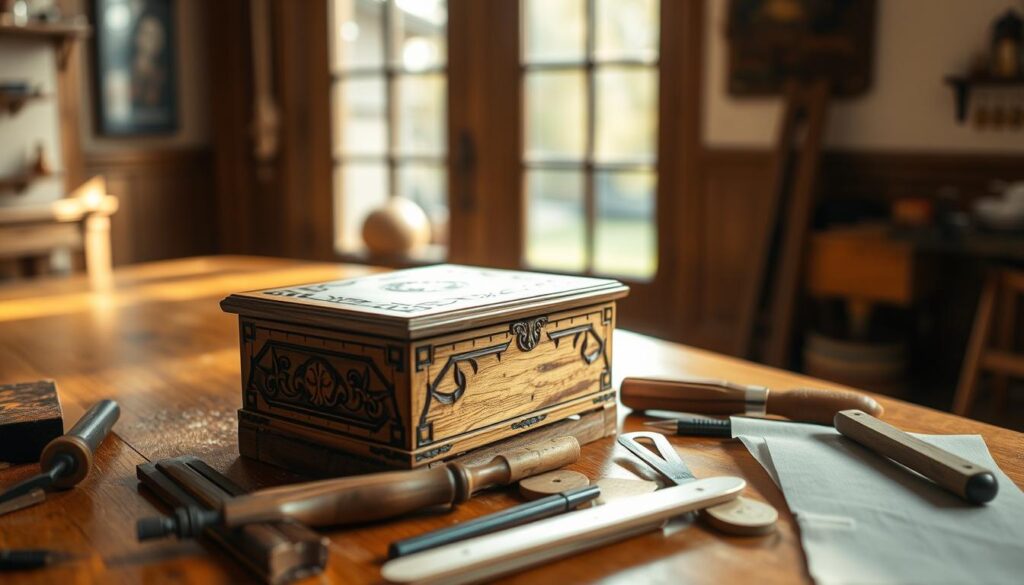
After you’ve gathered your items, write a detailed description for each. Include the object’s name, its history, and why it’s important. This makes the artifacts more interesting and helps us understand their value.
Including Origin Stories
Adding origin stories to your artifacts makes your box even more special. These stories can come from history, family tales, or cultural traditions. Sharing where each item comes from makes learning fun and engaging.
Making an artifact box is a fulfilling task. It keeps history alive and helps us appreciate cultural artifacts more. By choosing the right items, writing good descriptions, and adding origin stories, you create a box that tells a powerful story.
Preservation Techniques for Your Artifact Box
To keep artifacts in top shape, it’s key to know and use the right preservation methods. Preserving artifacts means more than just keeping them looking good. It’s also about protecting their historical and cultural value.
First, make sure your artifacts are stored in a stable place. This means keeping the temperature and humidity levels steady. Many museums use climate-controlled rooms to stop items from getting damaged. Conservation techniques like using acid-free materials for storage and handling can also help keep artifacts lasting longer.
Handling artifacts with care is also very important. Wear gloves to stop oils from your skin from harming them. Use the right tools for delicate items. These steps help protect the cultural heritage of the artifacts in your box.
Regular checks and upkeep are also key. Look at your artifacts often for signs of damage and fix them if needed. This might mean getting help from a professional conservator or using special conservation techniques to repair or stabilize the items.
By sticking to these preservation methods, you can keep the artifacts in your box in great shape for years. They will continue to connect us to the past and deepen our understanding of cultural heritage.
The Art of Exploring an Artifact Box
The art of exploring artifact boxes needs patience, curiosity, and a desire to learn from the past. It’s not just about looking at objects. It’s about understanding the stories and importance of each item.
When you start exploring an artifact box, take your time. Look at each object carefully. Think about the historical context of when they were made or used. This historical inquiry can show us interesting things about people from different times and places.
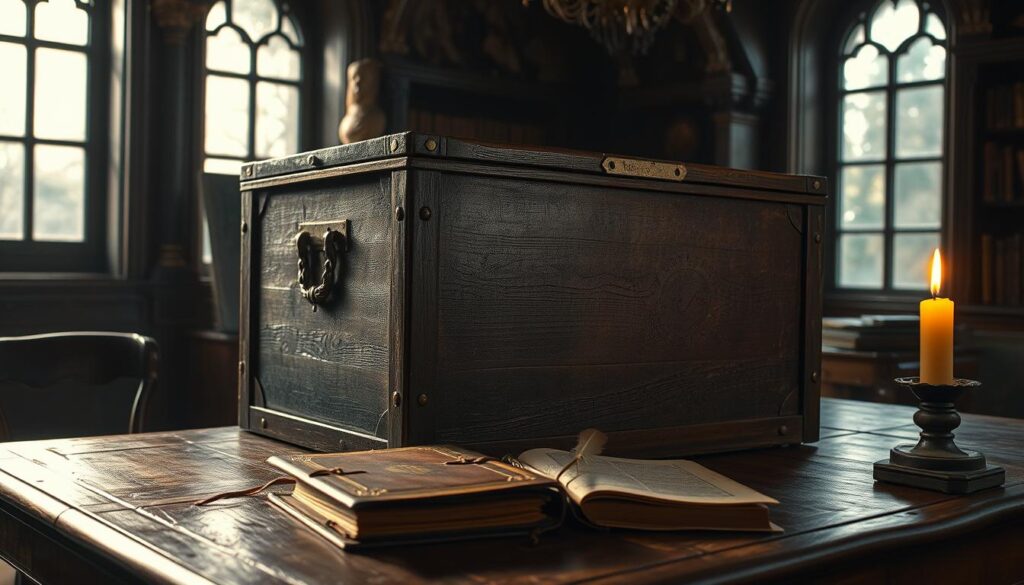
As you go deeper, you’ll grow to appreciate the artifacts and the people who used them more. This appreciation helps us understand historical events and cultural practices that have shaped our world.
The journey of exploration is not just about the artifacts. It’s about the stories they tell and how they connect us to our past. By exploring artifact boxes, we can learn more about history and how it affects our lives today.
In conclusion, exploring artifact boxes is a fulfilling experience. It combines historical inquiry with cultural appreciation. It requires patience and curiosity, but the knowledge gained is truly valuable.
Famous Artifact Boxes That Changed History
Some artifact boxes have greatly changed how we see history. These boxes, filled with relics and treasures, give us deep insights into our ancestors’ cultures and ways of life.
The Terracotta Army is a great example. It’s a group of life-sized clay soldiers buried with China’s first emperor. They were meant to protect him in the afterlife. This find has greatly changed how we see ancient Chinese culture and history.
The Dead Sea Scrolls are another important find. They were found in the Qumran Caves near the Dead Sea. These scrolls have helped us understand Jewish history and early Christianity better.
These famous artifact boxes help us understand cultural heritage and historical significance. They connect us to the past, giving us a unique look at history and culture.
In conclusion, studying these artifact boxes is fascinating. It opens a window into the past and helps us learn more about human history.
Digital Artifact Boxes in the Modern Age
In today’s world, digital artifact boxes are transforming education and cultural preservation. Digital technologies have made it possible to create these digital collections. They offer new ways for people to interact with historical items.
Digital artifact boxes give us a chance to save cultural treasures online. This helps teach history and keeps artifacts safe for the future.
Online educational resources from digital artifact boxes improve learning. They make history fun and interactive for students.
Also, cultural heritage sites gain from digital artifact boxes. They can reach more people worldwide and share their collections.
To wrap it up, digital artifact boxes are key for education and saving our cultural heritage. They offer a modern way to tackle preservation challenges.
Using Artifact Boxes for Education and Research
Artifact boxes are a key tool in schools, making learning about history and culture fun. Teachers use them to make lessons interactive and engaging. This helps students understand historical events and cultural practices better.
The Benefits of Artifact Boxes in Education
Artifact boxes let students dive into historical artifacts, boosting cultural appreciation and knowledge. As
“The best way to learn about history is to experience it through the artifacts left behind.”
This hands-on method sharpens students’ critical thinking and curiosity about the past.
In historical research, artifact boxes offer a space for detailed study. Researchers can observe, record, and interpret artifacts, gaining insights into their historical context.
Artifact boxes are essential in education and research, fostering a deeper understanding of our cultural heritage. They help preserve our history and cultural identity.
The Timeless Wonder of Artifact Boxes
Artifact boxes amaze and inspire us, giving us a peek into the past. They reveal historical events and cultural practices. These boxes are not just fascinating; they also teach us about our cultural heritage.
Artifact boxes are key to preserving history. They let us see the lives of our ancestors and the events that changed their world. By looking at what’s inside, we learn a lot.
In today’s digital world, artifact boxes are just as important. They connect us to our history, showing us why we must keep the past alive. Whether they’re physical or digital, these boxes help us understand and remember our history.