







Sensors are everywhere, making our lives better and easier. They are found in automatic doors, cash registers, and even in hospitals.
These small devices can sense different things in the world and turn them into electrical signals. This is key for many systems to work right. With more IoT sensors, our tech use is getting smoother.
The role of sensor technology is huge. It’s a big part of our daily lives, from simple tasks to complex systems.
What Are Sensors?
Sensors are tools that help us understand the physical world. They notice changes like temperature, light, or movement. Then, they turn these changes into signals that people or machines can read.
Think of sensors as our senses. They catch things like matter, energy, and force. But instead of seeing or feeling them, sensors send out electrical signals. This lets us use them in many ways, from simple checks to big industrial systems.
The sensor definition covers many devices. Each one is made to spot certain things. For example, temperature sensors watch for temperature changes, and pressure sensors look for pressure shifts. Knowing how sensors work helps us see their value in different areas.
Sensor applications are everywhere. In factories, they help control and check processes, making things safer and more efficient. In gadgets, sensors let us use touchscreens and recognize gestures. They also help track air, water, and weather quality.
In short, sensors are key in today’s tech world. They give us the info we need to make smart choices and control things automatically. By getting what sensors do and how they work, we can see their big impact on our lives.
How Sensors Function
Sensors can detect many things like light, temperature, pressure, and motion. They turn these into electrical signals. This is key to sensor technology, making it possible for devices to understand different kinds of energy.
Translating Physical Phenomena into Electrical Signals
Sensors work in many ways, depending on their use. For example, photodiodes catch light and turn it into an electric current. This is important for things like solar panels and sending messages through light.
Chemical sensors, though, use chemical reactions to find certain chemicals or changes in them. They are very important for checking the environment, in factories, and in health care.
Some sensors work by changing how materials act when things like temperature or pressure change. This is how they can detect pressure, how fast something is moving, and temperature.
The wide use of IoT sensors and other sensor tech shows how important they are. Knowing how sensors work helps us see their big role in today’s tech and their future possibilities.
Applications of Sensors in Industry
The use of industrial sensors is changing the industrial world. They make operations more efficient and safer. These sensors help find chemical leaks, track pollutants, and check air quality. This is key for a safe and healthy place to work.
In factories, sensor applications cover a wide range. They watch over equipment, spot problems, and forecast failures. This cuts down on downtime and boosts productivity. Sensors also give real-time data for better decision-making.
One big area of sensor innovation is finding chemical leaks. Advanced sensors can spot tiny amounts of dangerous chemicals. This alerts workers to dangers, which is vital in chemical processing industries.
Sensors also keep an eye on air quality. This ensures workplaces are safe for everyone. By tracking pollutants, companies can act fast to improve air quality.
Sensor applications also make homes and industries more comfortable and efficient. For example, temperature and humidity sensors keep conditions just right. This saves energy and makes everyone more comfortable.
The use of industrial sensors shows how technology makes places safer, more efficient, and productive. As sensor innovation grows, we’ll see even more advanced uses in the future.
The Role of Sensors in Technology
Modern technology depends a lot on sensors. They help devices understand and react to their surroundings. This has changed how devices talk to users and the world around them.
Sensors are key in many modern tech, like smartphones and smart homes. Smartphones use sensors to know how they’re held and moved. This makes using them better. Smart homes use sensors to keep an eye on things like temperature and security, making life easier and saving energy.
IoT sensors are very important in the Internet of Things (IoT). They let devices share data, making smart tech work in many fields, from health to making things. These sensors track things like temperature and humidity, helping with quick monitoring and control.
Sensor applications go beyond just gadgets and smart homes. In factories, sensors help with keeping things running smoothly and checking quality. They help make better choices, boost efficiency, and cut costs.
In short, sensor technology is key to moving tech forward. As sensors get better, we’ll see new uses in many areas.
The Science Behind Sensor Technology
Advances in materials science and nanotechnology have revolutionized sensor technology. Now, we have more sensitive and versatile sensors.
New materials and nanotechnology have greatly improved sensor innovation. For example, nanomaterials have made sensors more precise and durable.
Industrial sensors have seen big improvements. They’re used in manufacturing and environmental monitoring. Modern sensors’ better sensitivity and versatility have opened new uses in many industries.
As sensor technology keeps getting better, we’ll see more new uses soon. Research in materials science and nanotechnology will lead to more advanced sensor systems.
Sensor Types: A Deeper Dive
The world of sensors is vast and diverse. It includes many types designed to detect different physical phenomena. Sensors are key in modern technology, playing important roles in many industries.
Light sensors are used in photography, security systems, and solar panels. They detect light intensity and can respond to changes in lighting. On the other hand, chemical sensors are used in environmental monitoring and industrial processes. They detect specific chemicals or changes in chemical composition.
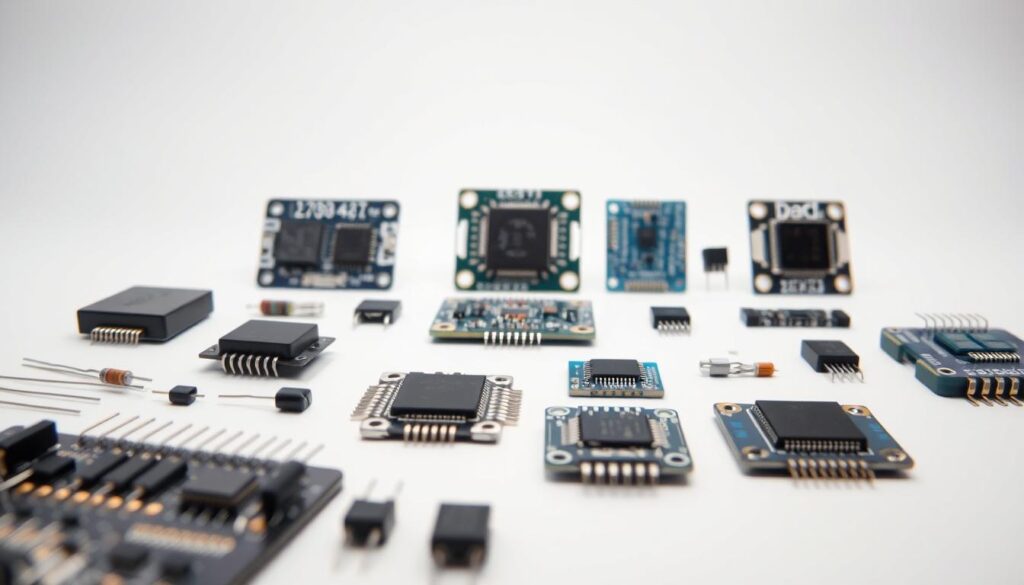
Pressure sensors and temperature sensors are also critical. They are used in automotive, aerospace, and medical devices. Pressure sensors measure gas or liquid pressure. Temperature sensors monitor temperature changes, keeping systems safe.
“The development of new sensor technologies is key for advancing industries like healthcare and aerospace.”
Sensor types are diverse, leading to many applications. From industrial automation to consumer electronics, understanding these types is essential. It helps us use their full capabilities.
As technology advances, the need for better sensors grows. This pushes innovation in sensor technology. It leads to more efficient, reliable, and cost-effective solutions.
Advantages of Using Sensors
Sensors have changed our lives and work in many ways. They make things more efficient and productive in different fields.
Enhanced Efficiency: Sensors help us monitor and control things in real time. This leads to quicker decisions and better work. A report shows IoT sensors can boost productivity by up to 20% in some areas.
Improved Safety: Sensors help keep us safe by spotting dangers early. For example, temperature sensors can catch unusual changes. This stops accidents and keeps workplaces safe.
“The use of sensors has revolutionized the way we monitor and control systems, enabling us to make data-driven decisions and improve overall efficiency.”
Sensors also let us watch and control things from afar. This is great in places where it’s hard or dangerous to do it by hand.
Remote Monitoring and Control: IoT sensors let us check and manage systems from anywhere. This cuts down on the need for manual checks and boosts efficiency.
In short, sensors bring many benefits like better efficiency, safety, and remote control. As tech keeps getting better, sensors will help change more industries. They’re making our lives and work better.
Challenges in Sensor Development
Despite big steps forward, sensor tech is not without its hurdles. Making sensors that are both super sensitive and affordable is a big challenge.
One big issue is improving sensitivity. Sensors must detect tiny changes in their surroundings. But doing so without raising costs or reducing durability is hard.
Reducing cost is another big challenge. As sensors get better, making them can get expensive. This is a problem for industries with small profit margins.
Making sensors durable is also key, mainly for industrial use. These sensors face tough environments. They must stay accurate and not fail easily.
To tackle these problems, researchers and makers are looking into new materials and tech. New designs and ways to make sensors are essential. They help move the field forward and make sensors useful in many industries.
By solving these issues, the future of sensor tech looks bright. It could change many fields, from healthcare to manufacturing, in big ways.
The Future of Sensors
Sensor technology is on the verge of a big change. This change comes from new trends. Sensors in IoT devices are making tech more user-friendly and quick to respond.
The future of sensors is linked to nanotechnology. This tech makes sensors smaller and more effective. These improvements will lead to more sensor innovation in many fields.
Sensors are making a big difference in the Internet of Things (IoT). IoT sensors help make homes, cities, and industries smarter. They boost efficiency and productivity.
The sensor future looks bright. Scientists are working hard to make sensor systems better. These systems will handle complex data, making them even more useful.
As sensor innovation keeps growing, we’ll see new uses for sensors. This will push tech forward and help solve big global problems.
Practical Examples of Sensors
Sensors are everywhere, from our phones to factories. They play a big role in our daily lives. They help improve technology and industry.
Consumer Electronics: Smartphones use sensors like accelerometers and gyroscopes. For example, the Apple iPhone has a sensor to detect when you’re holding it up to your ear. It also has a barometer to track changes in altitude.
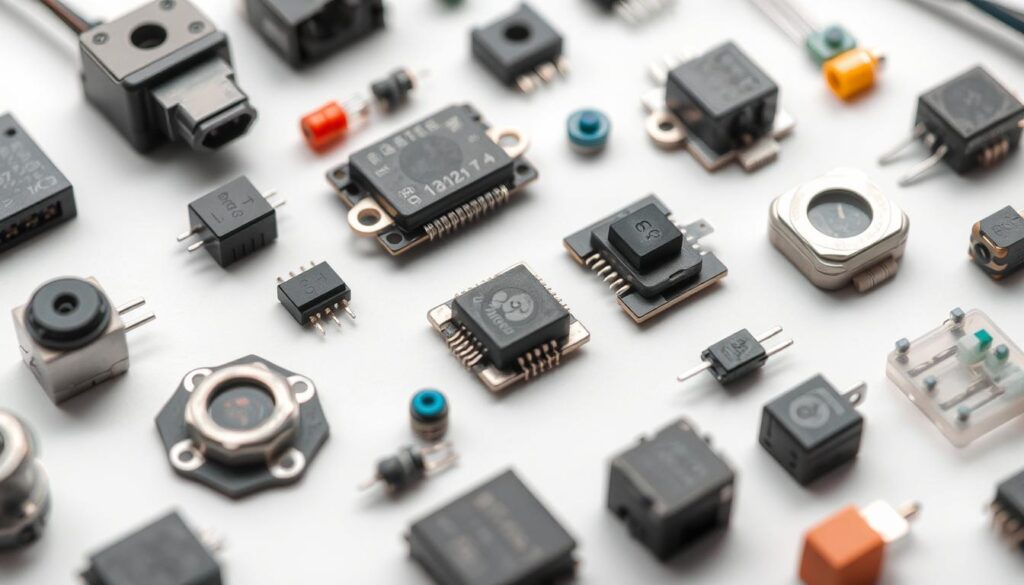
Industrial Monitoring Systems: In factories, sensors check temperature, pressure, and vibration. Temperature sensors are key in keeping equipment safe. Companies like Honeywell make sensors for HVAC and process control.
“The use of sensors in industrial automation has revolutionized the way we manufacture goods, enabling greater efficiency and precision.” –
Automotive Industry: Cars today use sensors for safety and performance. Lane departure warning sensors and adaptive cruise control sensors keep drivers safe. Continental AG makes sensors for advanced driver-assistance systems (ADAS).
Healthcare: Sensors are changing healthcare too. They help in patient monitoring and diagnostic tools. For example, biosensors track vital signs and find health issues.
Sensors have many uses and are changing industries. As technology grows, sensors will play an even bigger role. They will help bring new ideas and improvements to many areas.
DIY Sensor Projects
Now, anyone can make their own DIY sensors. Thanks to affordable parts and kits, you can start simple projects or build complex systems. It’s a fun way to learn about sensors.
DIY sensors let you tailor them to your needs. For example, you can make a temperature monitor with a sensor and Arduino. These projects teach you about sensors and have real uses.
To start, learn about sensor parts and kits. Ultrasonic, infrared, and accelerometer sensors are common. Arduino and Raspberry Pi kits have libraries and examples to help you.
Looking for more? There are many online tutorials, forums, and project sites. They offer tips and ideas for your projects, helping you solve problems and learn from others.
Doing DIY sensor projects boosts innovation and creativity. You can try new things and solve everyday issues. It’s great for students and hobbyists to explore sensor technology.
In short, DIY sensor projects are a great chance to dive into sensors. With today’s resources, starting your own project is easier than ever.
Conclusion: Embracing the Sensor Revolution
Sensor technology is changing the game in many fields. It’s making our world more connected and efficient. We’ve seen how sensors are key in many areas of life.
The rise of IoT sensors is at the heart of this change. They make it easy for devices to talk to each other. This opens up new ways for industries to work better, save money, and be more efficient.
As sensors get smarter, we’ll see even more cool uses in the future. They’ll make our homes smarter and help industries run better. By jumping on this tech wave, we can find new chances and stay ahead.
The future of sensors looks bright. It’s thrilling to think about all the new things we’ll see. With sensors leading the way, our world will become more connected, efficient, and full of innovation.