






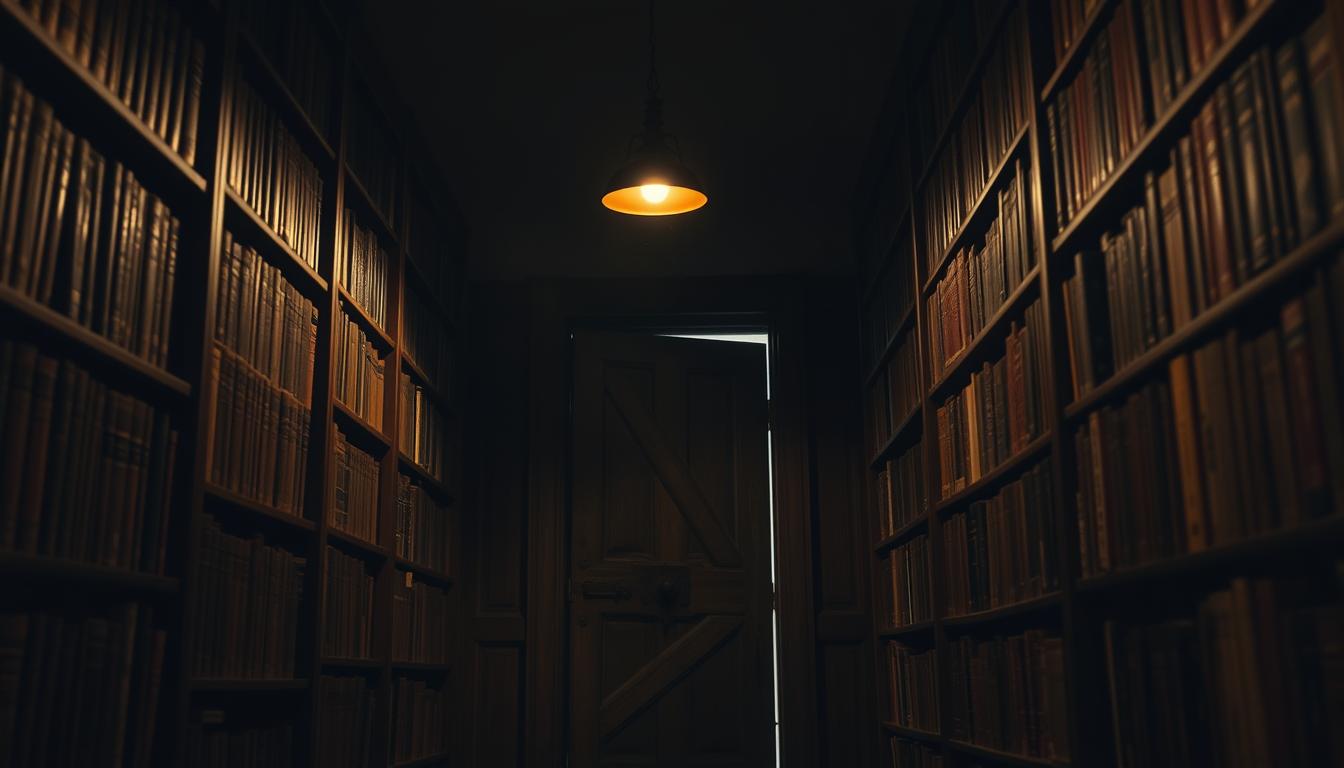
Imagine finding a secret passage in your home, hidden behind a bookshelf. It sounds like a plot from a mystery novel. But, it’s a real design trend that’s becoming popular. A bookshelf door can turn any room into a surprise.
Those inspired by Murphy Door’s designs or DIY projects can create a hidden door. It’s more than just hiding a room. It’s about creating a space that makes you curious and amazed.
This idea mixes practicality with creativity, making it a standout feature in any home. We’ll look into the possibilities and practical steps of having a bookshelf that opens as a doorway.
What is a Hidden Door?
A hidden door, also known as a secret door, blends into the room’s decor. It looks like a built-in bookshelf or another feature, as Murphy Door explains. This makes it hard to spot.
Characteristics of Hidden Doors: These doors focus on secrecy and functionality. They can hide valuable items, lead to secret passages, or add a special touch to a home.
Hidden doors serve many purposes. They can be a safe place to store things or a fun way to enter another room. A well-made hidden door can make a home look better and be useful at the same time.
Hidden doors are great for those who want to add mystery or surprise to their homes. They create a unique feature that makes people talk and wonder.
Popular Styles of Hidden Doors
Hidden doors come in many styles, like bookshelves and murphy doors. They are both useful and look good. Homeowners can pick the design that fits their needs and style.
The bookshelf door, or secret bookshelf, is very popular. It turns a door into a bookshelf, making a hidden entrance that’s smart and stylish.
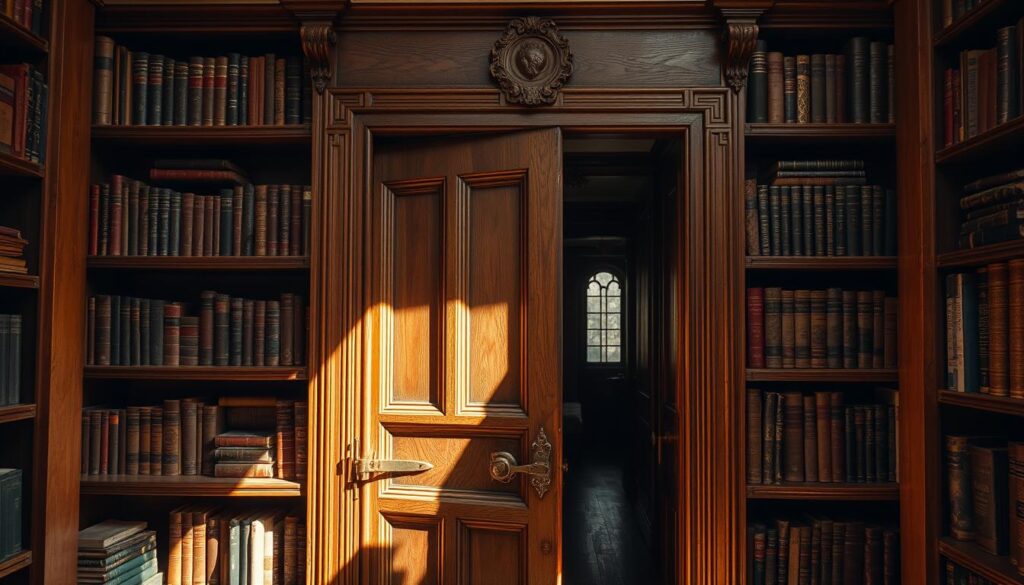
Bookshelf doors are loved for their flexibility and surprise factor. They hide a door in a bookshelf, keeping the room’s look intact.
Choosing a bookshelf door has many benefits. It hides a room or area without losing the room’s beauty. It’s perfect for libraries, secret passages, or offices.
When making a secret bookshelf, think about the room’s style and the hidden door. The door should look like the bookshelf, for a smooth look.
Adding a bookshelf door to your home makes it special. It can turn a reading corner or a secret workspace into something unique. Today’s hidden door styles offer many options.
Why Install a Hidden Door?
Hidden doors bring many benefits, like better home security and clever storage. They are a great choice for homeowners. One key advantage is the extra security they offer. By hiding a room or storage area, you can keep valuable items safe from intruders.
Secret storage is another big plus of hidden doors. They can hide spaces for things you don’t use often, like seasonal decorations or important documents. This keeps your living space tidy and your valuables safe.
Hidden doors also make your home look unique and can even raise its value. They can match your home’s style perfectly, adding mystery and intrigue. Hidden doors are interesting in any home, modern or historical.
In short, hidden doors boost your home’s security, storage, and charm. As people look for new ways to make their homes better, hidden doors are a smart and exciting choice.
Ideal Locations for Hidden Doors
There are many great spots for hidden doors in a home. The best spot is one that fits well with your home’s design and layout.
Installing a hidden door in a closet is very popular. It’s perfect for small homes where space is tight. A hidden door in a closet can open up to a secret storage area or a hidden passageway, making your home more exciting.
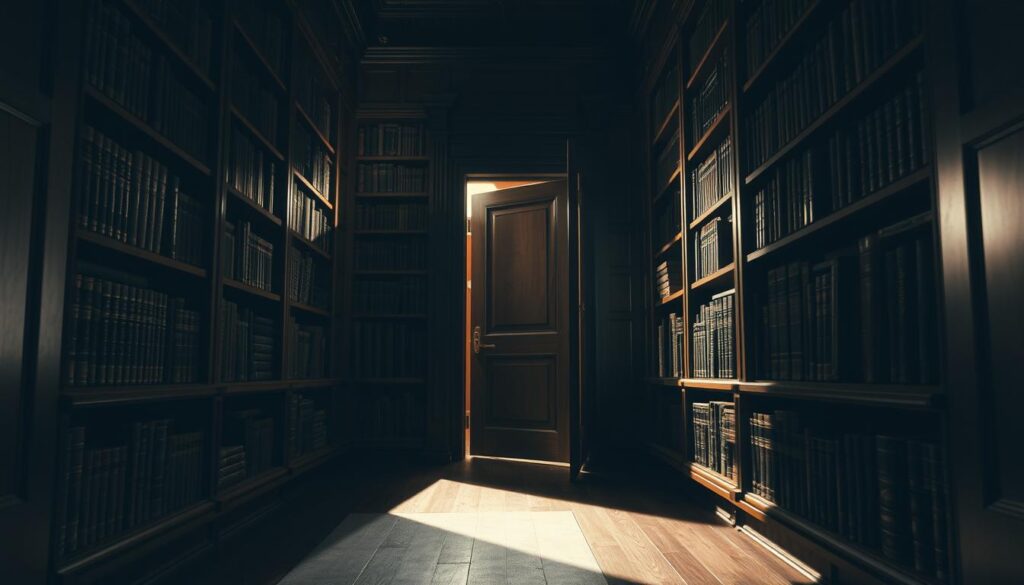
Another great spot for a hidden door is in a storage room or behind a bookshelf. It’s a clever way to hide a home office, a wine cellar, or even a secret passageway. When adding a hidden door in a storage room, make sure it fits well with the room’s design.
Hidden doors can also be placed in other areas, like behind a sliding bookshelf or in a paneling wall. The options are endless, and the best spot will depend on what you need and like.
When picking a spot for a hidden door, think about your home’s home design. You want the door to look like it’s always been there, making the transition between open and hidden areas smooth. By choosing the right spot, you can add a unique and interesting feature to your home that will impress your guests.
In summary, the best places for hidden doors vary based on your home’s needs and design. Whether you want a secret passage or more storage, a hidden door can be a great addition to your home.
Materials Used in Hidden Doors
Choosing the right material for a hidden door is key. It affects the door’s look, durability, and upkeep. The material you pick can make a big difference.
Many materials can be used for hidden doors, but wood and laminated panels are top picks. Wood gives a natural feel and can be stained or painted to fit any style. It’s strong and can last long with the right care.
Wood and Laminated Panels
Laminated panels are a cost-effective option compared to solid wood. They’re made from layers of synthetic or wood materials. They’re stable and don’t warp easily.
When choosing between wood and laminated panels, think about the room’s design and how durable you need it. Wood is great for its beauty and real feel. Laminated panels are good for their practicality and budget-friendliness.
The final decision depends on what you need and want. Knowing what each material offers helps you make a choice that looks good and works well.
In summary, both wood and laminated panels have their own perks for hidden doors. By weighing their pros and cons, you can find the perfect material for your doors.
How to Choose the Right Hidden Door
A hidden door can add a unique touch to home decor. But picking the right one needs careful thought. You must consider how it will fit with your current decor.
The design of the hidden door is key. It should match the area around it, like a bookshelf or wall. Make sure it looks good with your furniture and decor.
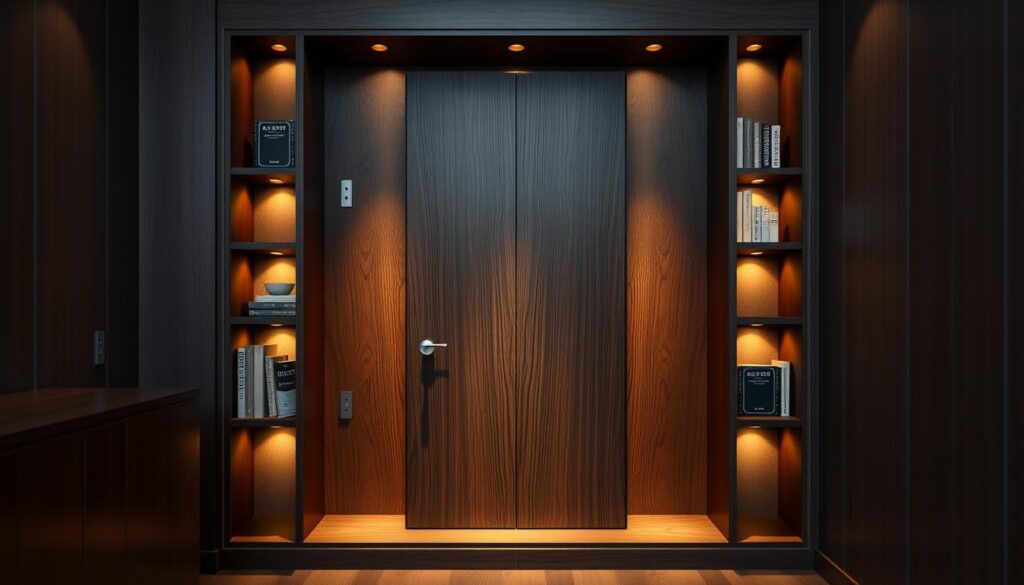
The material of the hidden door is also important. It should be strong and right for its use. For example, a door to a storage area needs sturdy materials, unlike a decorative one.
Think about the functionality of the hidden door too. Will it be used a lot, or is it just for looks? Knowing its purpose helps you choose wisely. It ensures it looks good and works well.
DIY vs. Professional Installation
When you want to add a hidden door to your home, you must decide if you’ll do it yourself or hire a pro. Each choice has its good and bad sides. The right one depends on your skills, what you have, and how hard the job is.
Going for a DIY hidden door can save money and let you control the design. But, it takes a lot of time, effort, and carpentry know-how. You need to be sure you can measure right, work with different materials, and fix any surprises that come up.
On the flip side, professional installation means less stress and a better finish. Pros know how to tackle tough jobs fast and well. It costs more, but you avoid big mistakes and get a safe, proper install.
Think about your carpentry skills, the hidden door’s design, and your budget when choosing. If you’re not sure about anything, talking to a pro might help figure out the best way to go.
In short, whether to DIY or get a pro for your hidden door installation depends on several things. Weighing the good and bad of each, and thinking about your abilities and what you have, helps make a choice that works for you and ensures a good job.
Maintenance Tips for Hidden Doors
To keep your hidden door working well, regular care is key. Check the hinges, handles, and locks often to make sure they’re okay.
Regular Inspections help spot problems early. Look for signs of wear like rust or corrosion on hinges and handles.
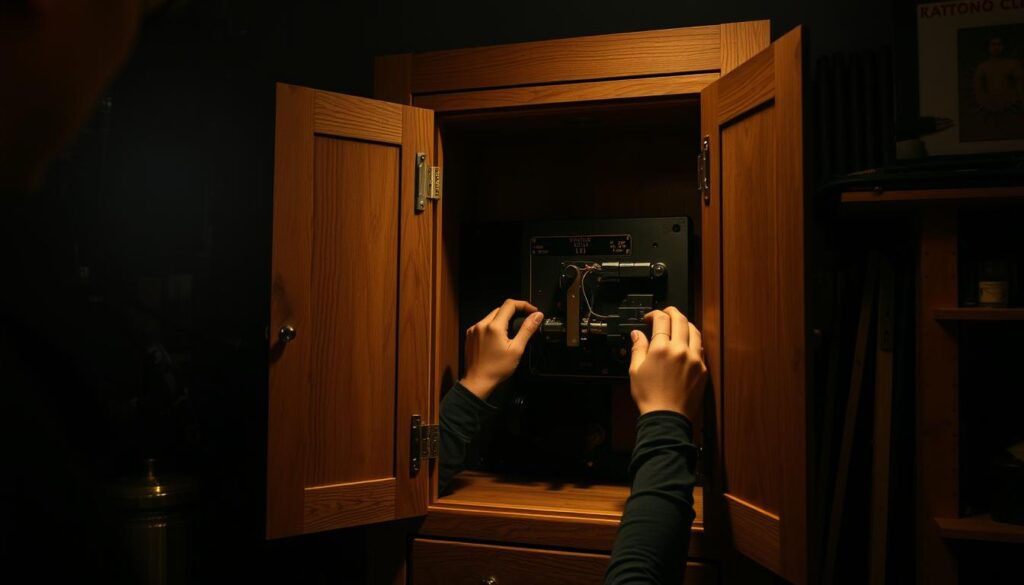
Also, lubricating the hinges and other parts helps the door work better. Use the right lubricant to keep everything moving smoothly.
Make sure the door is aligned right and the lock works well. If you find any issues, fix them quickly to avoid more damage.
By following these maintenance tips, your hidden door will stay a secret and useful part of your home. This is a big part of home maintenance.
Real-Life Examples of Hidden Doors
Hidden doors add mystery and style to homes. They can be secret passages or hidden storage. People use them to make their spaces more interesting and sophisticated.
Case Study 1: A California homeowner turned a living room into a home office with a hidden door. The door looks like a bookshelf. It’s a clever way to move between rooms without interrupting others.
DIY Inspiration: You can find many DIY hidden door projects online. One idea is to use a sliding barn door. It slides in front of a wall or another door, hiding a room or storage area.
Case Study 2: In New York City, a hidden door was used to hide a laundry room. The door looks like part of the wall. It keeps the laundry area hidden, keeping the living areas looking nice.
Hidden doors can change how we use our spaces. They add surprise and function. Whether you’re doing it yourself or hiring a pro, the options are endless.
Practical Considerations
Think about the space’s purpose and the door’s design when planning a hidden door. Choose the right material, hardware, and mechanism. This ensures the door works well and stays hidden when not in use.
Looking at real-life examples can inspire your home design. It helps you see how hidden doors can fit into your project. You might want one for a secret room, hidden storage, or a unique feature.
In summary, hidden doors are versatile and practical. By exploring secret door ideas and thinking about how to install them, you can make your space both functional and exciting.
Conclusion: Embrace the Mystery of Hidden Doors
Hidden doors can make any home special, adding mystery and intrigue. They can hide storage or create surprise spots. This makes rooms more interesting.
When picking a hidden door, think about your home’s style. You might want something sleek and modern or rustic and traditional. Either way, it can enhance your home.
The options are endless. With proper installation, a hidden door can turn your home into a fascinating place. It invites creativity and makes your living space more intriguing.