






Effective writing starts with a clear plan. Visual tools are key in this process. They help writers organize their ideas and create a story that flows well.
The writing process is complex, with stages from brainstorming to drafting. Visual aids make it easier by showing how the content is organized and flows.
Using visual tools in writing boosts productivity and helps create well-organized content. This method is great for students in school. It helps them improve their writing skills.
The Visual Advantage in Writing Preparation
Using visual tools in writing can make your work clearer and more organized. Charts and diagrams help writers organize their ideas better. This makes it easier to share complex information in a simple way.
Graphic organizers are great for organizing thoughts and ideas. Research shows that figures and tables can share lots of information without making the text messy.
With visual tools, writers can plan better, spot missing parts in their arguments, and keep their ideas flowing logically. This leads to writing that is clear and well-organized.
Visual aids in writing preparation have many benefits. They can greatly improve the quality of your written work.
Understanding Graphic Organizers for Writers
Organizing ideas is key in writing, and graphic organizers offer a visual way to do this. They help writers structure their content, making it simpler to organize their thoughts.
Graphic organizers vary, each serving a different purpose in writing. For example, the ABC Chart helps students organize their ideas. By using these tools, writers can map out their thoughts, creating a clear content structure that guides their writing.

As John Dewey noted, “We do not learn from experience… we learn from reflecting on experience.” Graphic organizers help with this reflection. They let writers visually arrange their ideas, connecting different concepts.
“The way we organize our ideas is fundamental to the writing process. Graphic organizers offer a straightforward way to achieve this, enabling writers to focus on developing their ideas.”
Graphic organizers can boost your writing process. They aid in brainstorming, outlining, and drafting, making writing more efficient. Whether you’re experienced or new to writing, using graphic organizers can improve your productivity and writing quality.
Types of Charts That Revolutionize the Writing Process
Different types of charts can change how writers plan and do their work. They help organize ideas, structure content, and create top-notch writing.
Basic Structure and Components
Charts have a basic setup with rows, columns, or circular parts. Knowing the basic components of charts is key for using them in writing. The structure helps sort and link ideas.
Mind maps are great for brainstorming and exploring ideas. They let writers visually link ideas and map out their thoughts. Mind maps are perfect for those who need to think of ideas fast.
Sequential Planning for Narrative Writing
Narrative writing needs a sequential plan for events to flow logically. Charts help writers organize their story in a clear order. This makes the story easier to follow and get.
Comparing and Contrasting Elements
Charts are very useful when comparing and contrasting. They let writers put different ideas side by side. This makes it simpler to see and talk about their similarities and differences.
Organizing Chronological Content
Charts are also great for organizing content in chronological order. This is useful for historical events or step-by-step guides. They provide a clear structure for presenting information in a logical and easy-to-follow way.
By using these various types of charts, writers can greatly improve their writing process. It becomes more efficient and effective.
Matching Chart Types to Different Writing Projects
Knowing the right chart types for each writing project is key to making great content. Different tasks need specific tools to organize ideas and structure content well.
Research Papers and Dissertations
For research papers and dissertations, charts like concept maps or mind maps are super helpful. They help organize research, structure arguments, and outline information flow.
Essay Planning
For essay planning, graphic organizers like Venn diagrams or argument maps are great. They help compare ideas, structure arguments, and keep thoughts in order.

In creative writing, like novels and short stories, story maps or character charts are vital. They help plot the story, develop characters, and keep the story consistent.
Character Development Charts
Character development is key in storytelling. Charts for character traits, backstory, and growth help writers create deep and real characters.
Reports and Proposals
In professional writing, like reports and proposals, a structured approach is needed. Flowcharts or decision trees are good for outlining processes, analyzing data, and presenting findings clearly.
Content Calendars and Topic Maps
For content creators, content calendars and topic maps are must-haves. They help plan, organize, and schedule content across platforms, ensuring a consistent and strategic approach.
Choosing the right chart type for your project can boost productivity and clarity. It helps writers meet their goals more effectively.
Step-by-Step Guide to Creating Effective Writing Charts
The key to successful writing is in the preparation. Creating charts is a key step. It helps you organize your ideas visually, making your writing clear and structured.
Start by using brainstorming techniques to get ideas. Write down all your thoughts without worrying about their usefulness. This step helps you gather a lot of ideas to refine later.
Organizing Information Hierarchically
After listing your ideas, organize them hierarchically. Make sure the most important information stands out. Link supporting details clearly to it. This structure helps your writing flow logically.
Identifying Connections Between Ideas
When organizing, focus on identifying connections between ideas. Find relationships between concepts and group similar ideas. This step is key for a smooth narrative.
Spotting Gaps in Your Thinking
Lastly, use your chart to spot gaps in your thinking. Review your ideas to find missing information or areas to develop. This ensures your writing is complete and well-rounded.
By following these steps and using creating charts well, you can improve your writing quality. Remember to leave space between pictures and words. This makes your charts easier to read and more appealing.
Digital Tools for Creating Writing Charts
Digital tools have become key for writers, making it easier to create writing charts. With technology’s rise, writers can now use digital platforms to plan and organize their work.
Web-Based Tools
Web-based tools are great because you can access them from anywhere. Canva and Lucidchart offer many templates and design options. A study found that using digital graphic organizers like ABC Charts improves writing.
Desktop apps like Microsoft Visio and SmartDraw have advanced features for complex charts. They provide tools for detailed diagrams and flowcharts.
Professional Features That Make a Difference
Many digital tools have professional features, like collaboration options. This lets multiple writers work together on a project. As “collaboration is key to producing high-quality content”, these features are very useful for team work.
Synchronization Across Devices
Digital tools also let you sync work across devices. This means you can start on your desktop and finish on your laptop or tablet. It makes work flexible and productive.
In conclusion, digital tools have changed how writers make writing charts. They offer many options, from web tools to desktop apps. By using these tools, writers can improve their work, collaborate better, and be more productive.
Traditional Pen-and-Paper Charting Techniques
Using pen and paper for charting has cognitive advantages that digital tools can’t match. Writing down ideas on paper boosts memory and understanding.
Cognitive Advantages of Manual Creation
Studies show that writing by hand sparks the brain’s creative areas. This can lead to more innovative ideas. A study found that writing by hand improves cognitive processing.
“The physical act of writing helps to solidify thoughts and ideas in a way that typing on a keyboard does not.”
Different writing projects need different charts. For example, a timeline is great for narrative essays, while Venn diagrams work well for comparisons. Choosing the right charting technique is essential for organizing your thoughts. This helps create a clear and structured final draft.
In summary, pen-and-paper charting offers unique benefits for writers. It enhances cognitive processing and allows for flexible organization. By using these traditional methods, writers can improve their work’s quality and clarity.
From Chart to Draft: Translating Visual Plans into Written Content
Turning your visual chart into a written draft can make writing easier. You’ve already organized your ideas visually. This is a big step towards a well-structured piece of writing.

Start by extracting main points from your chart. These will be the core of your writing. Look for the key ideas and arguments you’ve outlined. Then, focus on the supporting details that make these points come alive.
Your chart should show how these elements connect. This makes it easier to turn them into written form.
Using Your Chart as a Reference During Writing
Have your chart nearby as you write. It will guide you, making sure you cover all planned points. Regularly checking your chart keeps your writing coherent and flowing.
Expanding Underdeveloped Areas
As you write, you might find some areas need more work. This is common. Use your chart to spot these gaps and add more content.
Ask yourself, “What else can I say about this?” or “How can I strengthen this argument?” This will help you develop your ideas fully.
By following these steps, you can turn your visual plan into a solid written draft. Remember, be flexible and open to changes as you write.
Case Studies: Writers Who Transformed Their Process with Graphic Organizers
Graphic organizers are key in the writing process. Many authors use them to boost their productivity and creativity.
J.K. Rowling used complex, handwritten plot grids for the Harry Potter series. Her use of graphic organizers helped her manage characters, plot twists, and timelines across books.
Dissertation Planning Success Stories
Grad students have found graphic organizers helpful too. They use them to map out their research. This helps organize thoughts and structure dissertations better.
Content Strategy Visualization
Marketing pros use graphic organizers for content planning. It aligns content with marketing goals and spots content gaps.
Organizing Complex Research
Researchers face complex data and sources. Graphic organizers help sort info, spot patterns, and present findings clearly.
These stories show how graphic organizers help in different writing areas. Using them, writers can plan and work better.
Overcoming Common Challenges When Using Charts for Writing
Charts can be a big help in writing, but they come with their own set of challenges. Overcoming these challenges is key to making charts work better in your writing.
Charts help organize ideas and structure content. But, writers often struggle with making complex info simple, knowing when to stop planning, and revising charts well.
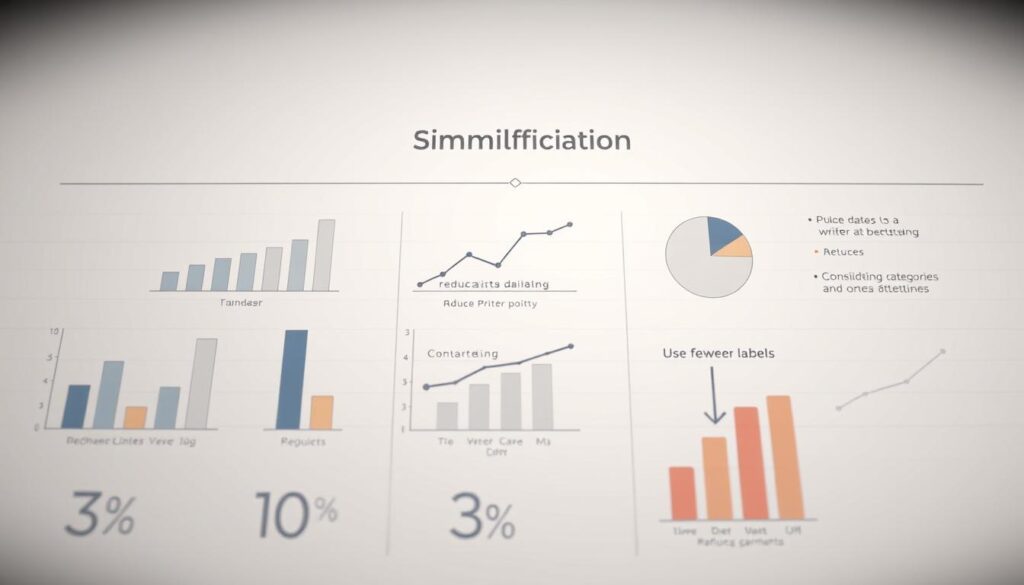
Simplification Strategies
One big challenge is making chart info easy to understand. To tackle this, writers can use simplification strategies like focusing on the most important points. They should also avoid too much clutter and use clear labels. This makes sure their charts are clear and get their message across.
Another hurdle is knowing when to move from planning to writing. Writers should watch for signs their charts are detailed enough to guide their writing. It’s about finding the right balance between planning and starting to write.
Flexible Approaches to Chart Revision
Lastly, being flexible with chart revisions is vital. Writers should be ready to make changes as they write. This might mean updating the chart with new ideas or rearranging content for better flow.
By using these strategies, writers can beat common chart challenges. This boosts their productivity and improves the quality of their writing.
Teaching Others to Use Writing Charts
Teaching others to use writing charts is a valuable skill. It helps writers of all ages and professions. By introducing visual planning, you can help them organize their ideas better. This improves their writing abilities.
Age-Appropriate Approaches
When teaching children, it’s key to use age-appropriate approaches. For younger students, simple charts with visual aids work well. As they grow, they can learn more complex charting techniques for writing.
In professional settings, workshop ideas can help adults improve their writing. For example, a workshop could teach using charts for business reports or marketing materials. Participants get hands-on experience with different techniques, applying them in their work.
Good workshop ideas include interactive activities. Participants create their own charts and share their experiences. This approach creates a supportive learning environment and keeps participants engaged.
Elevate Your Writing Process: The Future of Visual Planning Tools
The future of visual planning tools looks bright. Digital innovations are changing how we write. Tools like digital ABC Charts help writers work better and faster.
Using these tools can make your writing process better. It’s important to keep up with new tools as writing changes. This helps you stay successful.
Digital tools are changing how writers plan and organize. These tools help writers solve problems and reach their goals. They make writing easier and more effective.
As visual planning tools get better, so does writing. These tools can help writers be more creative and productive. They can take your writing to new levels.