





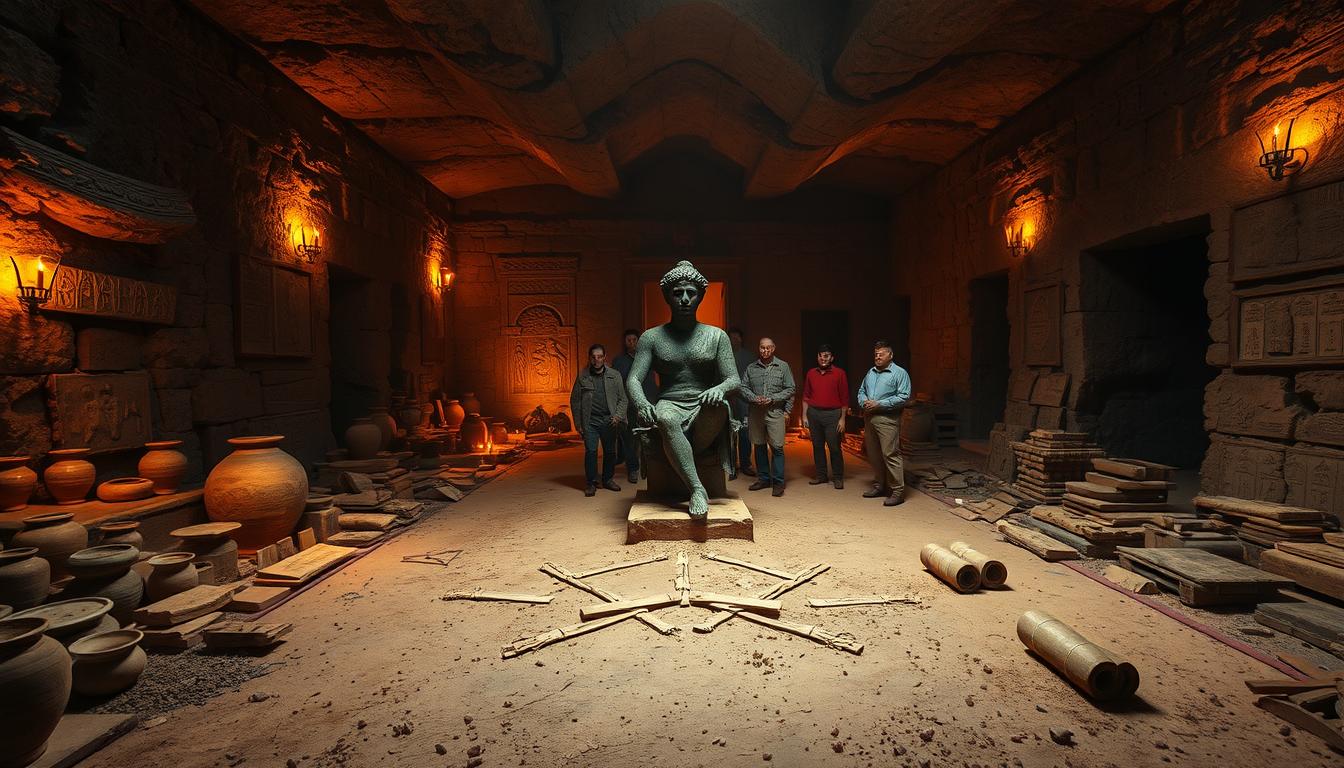
Recent finds on Somló Hill in Hungary have uncovered over 900 metal artifacts. These discoveries offer a unique look into the lives of ancient people. They reveal a lot about the history of the area and its former residents.
The study of archaeology is key to uncovering our past. It helps us understand historical events and the cultures of old times. By studying these relics, researchers can learn about the daily lives, traditions, and technologies of ancient societies.
The Importance of Artifacts in History
Artifacts from sites like Somló Hill give us deep insights into ancient cultures. They help historians and archaeologists piece together the past more accurately.
The finds on Somló Hill shed light on the lives of Bronze and Iron Age people. By studying these artifacts, researchers gain a peek into their daily lives and rituals. This knowledge not only deepens our understanding of history but also safeguards cultural heritage.
Keeping artifacts safe for the future is key. They offer a direct link to the past. Preserving these items also means saving the settings where they were found.
Methods of Artifact Excavation
Discovering artifacts uses different techniques like metal detection and lidar scanning. These modern tools have changed archaeology. They help find and dig up artifacts more accurately.
Metal Detection is key in finding artifacts. Archaeologists use metal detectors to spot buried metal objects. This could be anything from artifacts to coins. It’s very helpful in places with a lot of history, like battlefields or old settlements.
Metal Detection and Lidar Scanning
Lidar Scanning, or Light Detection and Ranging, is another advanced method. It sends laser pulses to the ground and measures how long they take to return. This creates detailed 3D models of the terrain. It’s great for spotting small changes in the landscape that might mean buried artifacts are there.
The team used metal detection, walking surveys, magnetic prospection, and lidar to study Somló Hill. This mix of old and new methods gave a deep understanding of the site. It shows how combining traditional and modern ways is key.
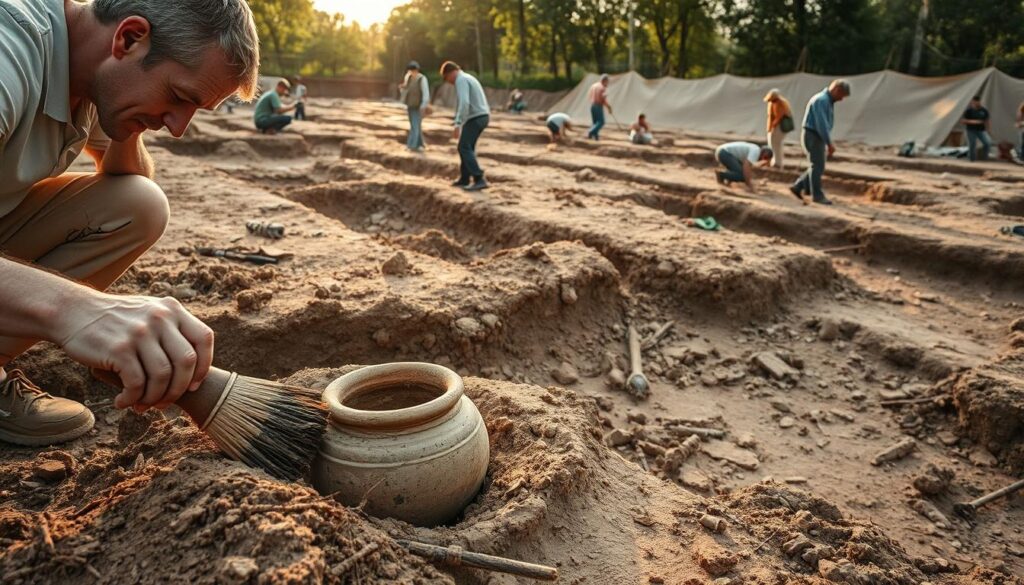
By using these methods together, archaeologists can now explore places that were hard to reach before. Metal detection and lidar scanning have made finding artifacts easier. This has helped us learn more about history.
These technologies keep getting better. They will make finding and preserving our cultural heritage even more effective. This means we can keep learning from our past for years to come.
Popular Sites for Artifact Discovery in the U.S.
The U.S. is home to many historical sites perfect for finding artifacts. From Ohio’s ancient earthworks to California’s mission ruins, these places are full of history. They have amazed the public and given us deep insights into the past.
Significant Historical Sites
The Cahokia Mounds in Illinois are famous. They are the largest pre-Columbian earthen pyramid north of Mexico. Finds here include tools, pottery, and ceremonial items, showing us the Mississippian culture.
The Chaco Culture National Historical Park in New Mexico is also key. It has given us many artifacts like jewelry, tools, and ritual objects. These items help us understand the Ancestral Pueblo peoples.
“The preservation of these sites and their artifacts is vital for our cultural heritage.”
Work to save these sites is ongoing. This way, future generations can learn from the past.
Other Notable Sites
The Hopewell Earthworks in Ohio are known for their designs. The San Juan Bautista Mission in California shows early interactions between Europeans and Native Americans.
These sites across America are fascinating. They give us a peek into the past and help us understand our diverse cultural heritage.
Types of Artifacts and Their Significance
Artifacts tell us about our ancestors’ lives, technologies, and cultures. Things like jewelry, tools, and weapons are more than just old items. They help us understand history.
Metal artifacts are key to learning about the Bronze Age and other times. Finding metal tools and weapons shows us how ancient people advanced and traded.
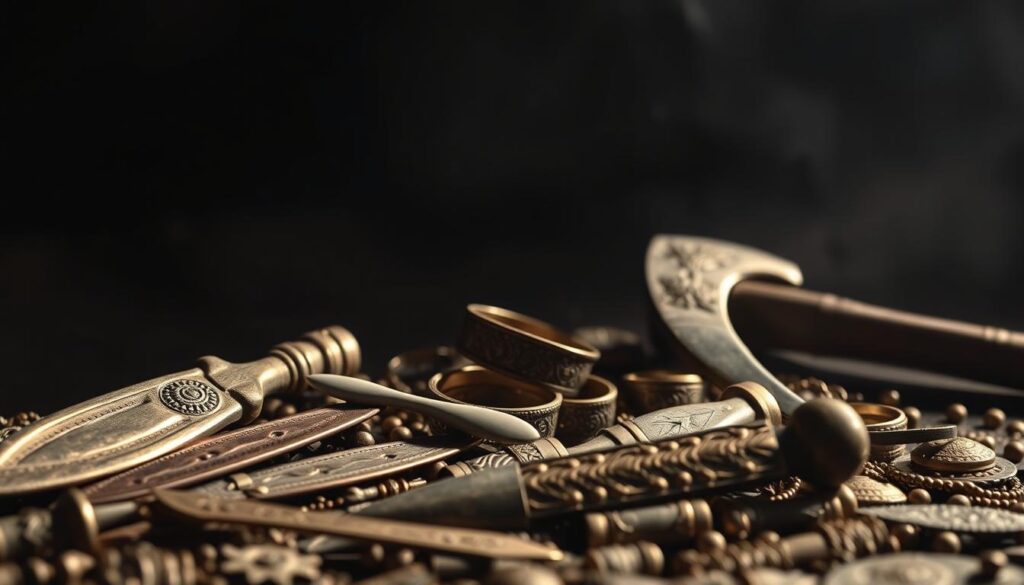
The Somló Hill discovery is a great example. The jewelry there shows the beauty and skill of the time. The tools and weapons tell us about ancient technology and war.
Looking at these artifacts helps us learn about the past. It shows us how people lived, what they believed, and how they changed over time. It connects us to our ancestors in a real way.
The Role of Museums in Artifact Preservation
Museums lead in keeping historical items safe. They use new ways to protect old treasures. This is key to understanding our history and valuing different cultures.
Keeping artifacts safe involves many steps. For example, items from Somló Hill were dug up carefully. Then, they were preserved with advanced methods, like CT scans to see inside them. Conservation efforts are made for each item, so they last long.
Museums use many conservation techniques, old and new. They aim to keep items in good shape for learning and showing to the public. It’s a fine line, needing deep knowledge of the items and their history.
Museums do more than just keep things safe. They are places for learning and research. By saving artifacts, museums connect us to the past. This shows the hard work of museum staff who protect our cultural treasures.
In short, museums are key in saving historical items. Their work lets us keep learning from the past and value the cultural heritage these items show.
The Ethics of Artifact Collection
When we collect artifacts, we must think about the ethics involved. It’s not just about saving history. It’s also about respecting where these items come from.
Responsible practices are key in artifact collection. We must make sure artifacts aren’t stolen or taken without permission. Looting and illicit trade harm our understanding of history and lose cultural treasures.
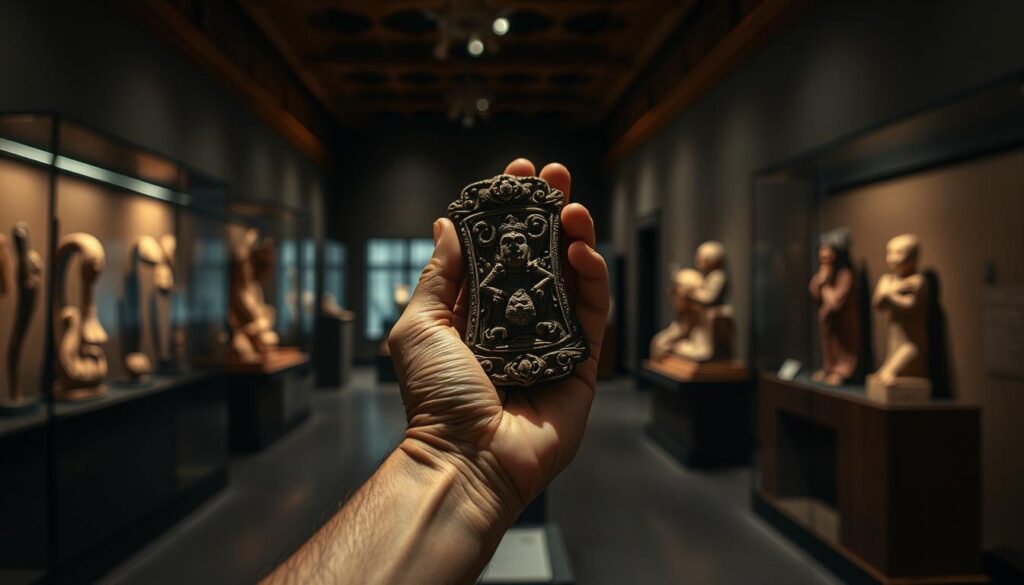
Artifact collection raises many legal, cultural, and moral questions. For example, should artifacts go back to their countries of origin or stay in museums? Some say they should be in museums for everyone to see. Others believe they should return home to preserve cultural heritage.
“The cultural artifact is a symbol of the past, a witness to history, and a key to understanding the present. Its preservation and presentation are not just a matter of historical record but also of cultural identity.”
To tackle these issues, we need responsible collecting practices. We should work with local communities, follow the law, and be open about how we get and show artifacts. This way, we can make artifact collection more ethical and sustainable.
How to Get Involved in Artifact Conservation
If you love history and want to help preserve it, artifact conservation is for you. You can volunteer or become a professional conservator. There are many ways to get started.
Start by volunteering at local museums or historical societies. These places need help with cleaning and restoring artifacts. Volunteering gives you hands-on experience and a chance to meet professionals.
If you want to be a professional in artifact conservation, get a degree in archaeology, history, or conservation science. Special courses or certifications in conservation can also help.
Conservation professionals work in museums, labs, and cultural sites. They do things like conducting conservation treatments and developing preservation plans for collections.
Joining professional organizations related to artifact conservation is also a good idea. These groups offer networking, training, and the latest research. They support both volunteers and professionals.
Getting involved in artifact conservation helps preserve our cultural heritage for the future. Whether you volunteer or pursue a career, your work is vital for understanding our history.
The Impact of Technology on Artifact Discovery
The use of technology in archaeology has changed how we find and study artifacts. This mix has made the field better, letting researchers find and look at artifacts more precisely than before.
Metal detection is a big step forward in finding artifacts. It helps find metal items that were hard to spot before. For example, on Somló Hill, metal detection found many metal items. This has given us new insights into the area’s past.
Lidar scanning is another key tool. It uses laser light to make detailed images of the ground. This helps archaeologists find where to dig more accurately. It’s very helpful in places with lots of plants, where it’s hard to see.
CT scanning is also important. It makes detailed pictures of artifacts inside without harming them. This is great for studying delicate items that can’t be touched too much.
The use of these technologies on Somló Hill has changed how we see the area’s history. Finding and studying artifacts with these tools has given us a deeper look at the past.
In short, technology has greatly changed how we find and study artifacts. It has given us new views of history and changed archaeology a lot. As technology gets better, we’ll likely learn even more about the past.
Identifying and Authenticating Artifacts
To uncover the secrets of the past, experts use many methods. They combine old techniques with new technology. This ensures artifacts are correctly dated and their origins confirmed.
For example, artifacts from Somló Hill were analyzed in different ways. Typological analysis compares them with known artifacts. Radiocarbon dating checks the age of organic materials by measuring carbon-14 decay.
Other methods include thermoluminescence dating and X-ray fluorescence. Thermoluminescence dates materials by heating them. X-ray fluorescence is a non-destructive way to check an artifact’s chemical makeup. These methods help verify artifacts’ authenticity and their historical context.
Identifying and authenticating artifacts is very important. It keeps historical records true and protects cultural heritage. By using science and tradition, experts can accurately date artifacts. This gives us valuable insights into the past.
In conclusion, identifying and authenticating artifacts is key to understanding their importance. Advanced techniques and careful work help experts reveal the past. This sheds light on historical events and cultural practices.
The Future of Artifact Preservation
Keeping artifacts safe for the future is a big job. It faces many challenges. As we find more artifacts, we need better ways to keep them safe.
The find on Somló Hill shows how important it is to save historical items. It shows we must use new ways to protect these treasures from damage.
Challenges in Artifact Preservation
One big problem is the damage from things like temperature, humidity, and light. These can harm artifacts over time. So, we need special ways to store and show them.
Funding is another big challenge. Not enough money often limits how much we can do to save artifacts.
Innovative Preservation Techniques
To tackle these issues, experts are looking at new tech and methods. They’re working on better materials and controlled spaces to slow down damage.
Digital preservation is also key. With 3D scanning and digital archiving, we can make detailed digital copies of artifacts. This helps preserve them and makes them easier for everyone to see.
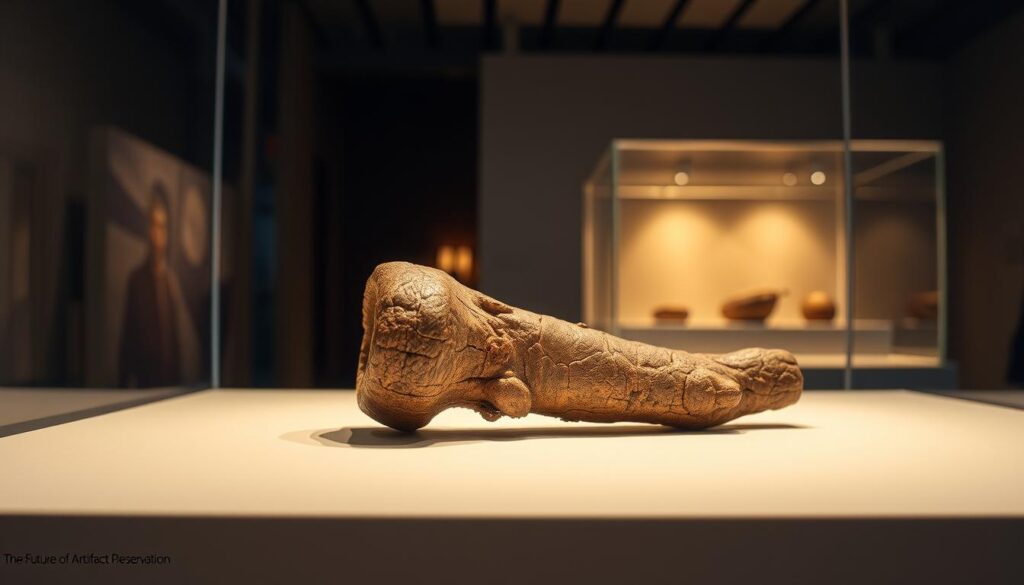
The future of keeping artifacts safe will depend on these new methods and solving the challenges we face. If we work together, we can keep historical treasures safe for future generations.
Fun Facts About Famous Artifacts
Famous artifacts have amazed people for centuries. They give us a peek into the past and show us the cultures and histories of old. The Terracotta Army, for example, is incredible. It has over 8,000 life-sized soldiers guarding China’s first emperor’s tomb.
The Rosetta Stone is another amazing find. It helped us understand ancient Egyptian hieroglyphics. This stone has opened up a new language, helping us learn more about ancient Egypt.
Some artifacts have amazing stories of how they were found. The Dead Sea Scrolls were found by a Bedouin shepherd in the 1940s. He found a cave with texts from the 2nd century BCE.
These fun facts show how important these artifacts are. They help us understand our history and the cultures that shaped our world. By exploring these artifacts, we learn more about our shared past.